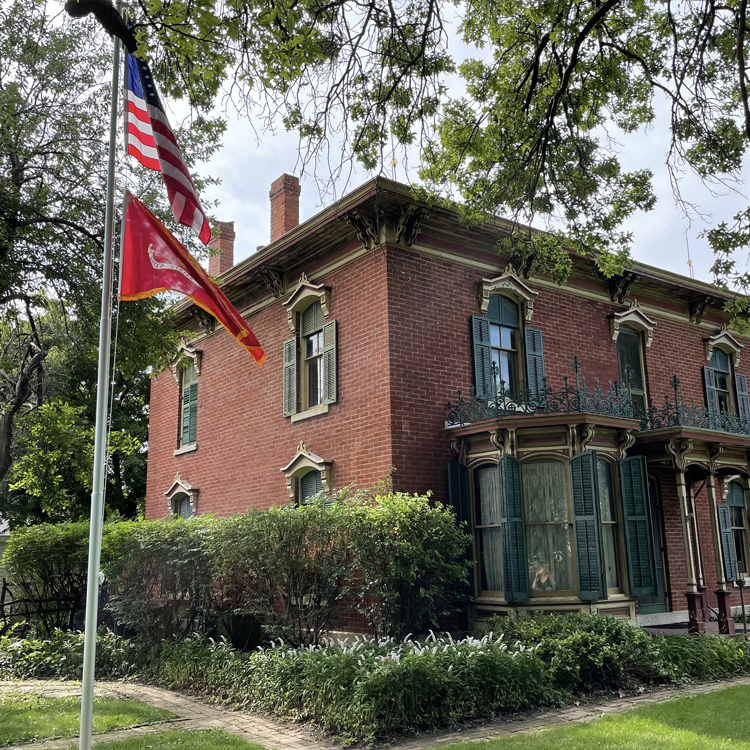
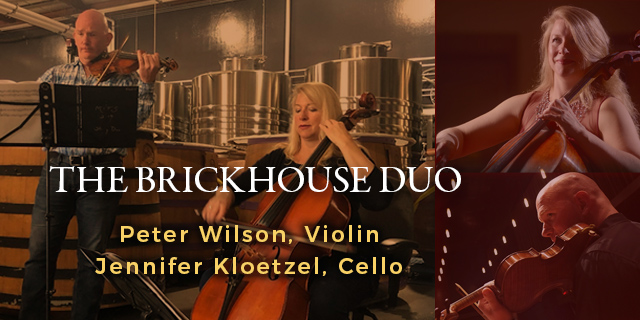
The BrickHouse Duo

PETER WILSON, VIOLIN • JENNIFER KLOETZEL, CELLO

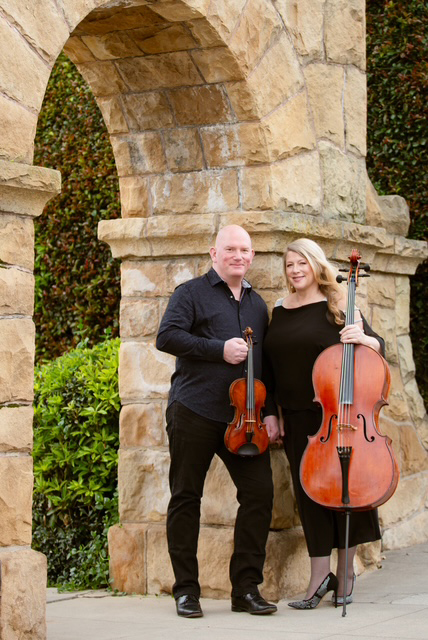
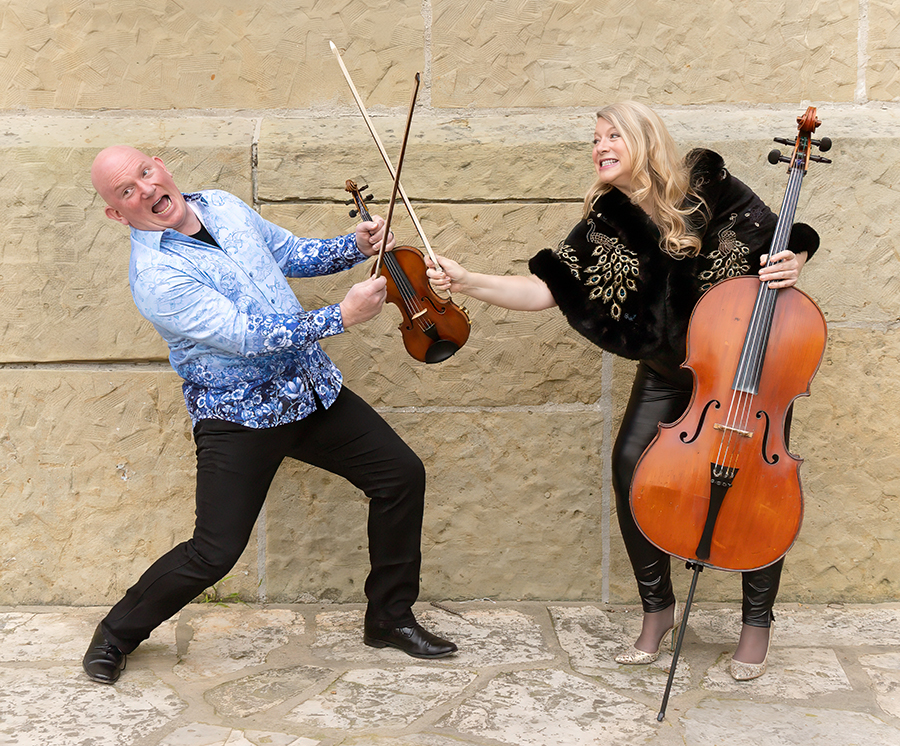
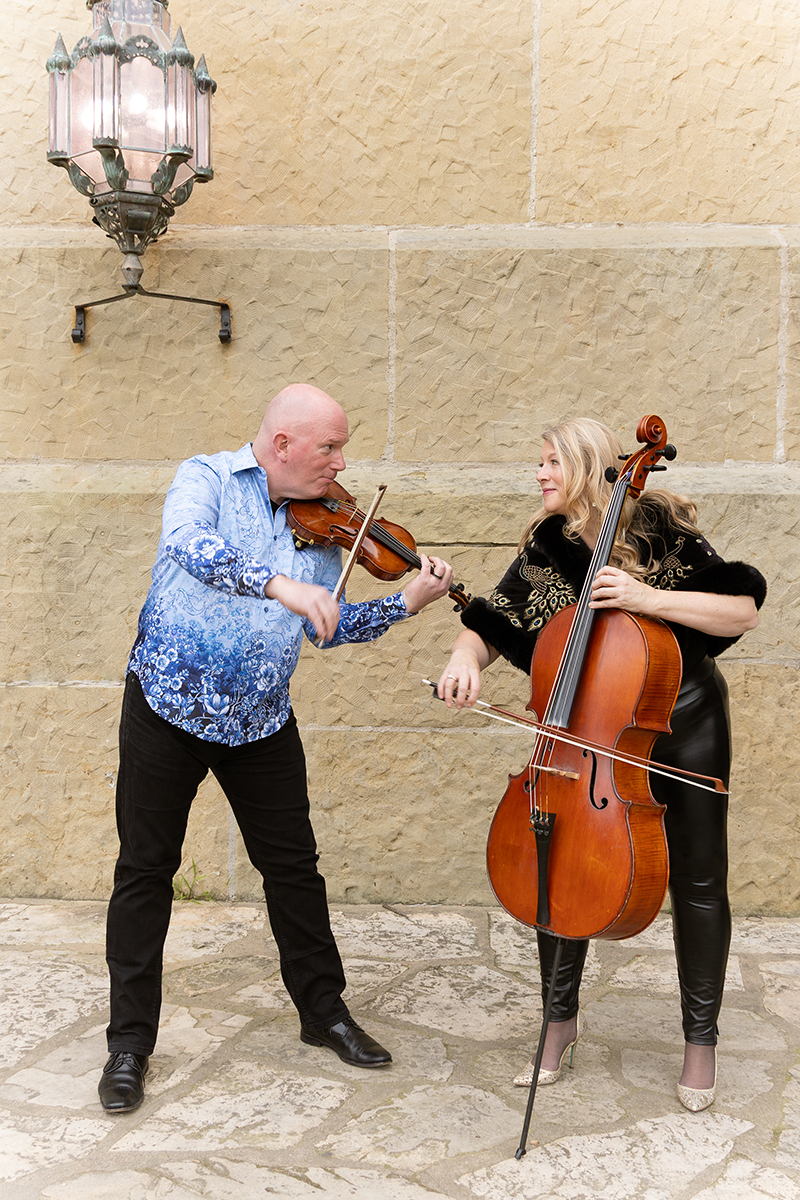
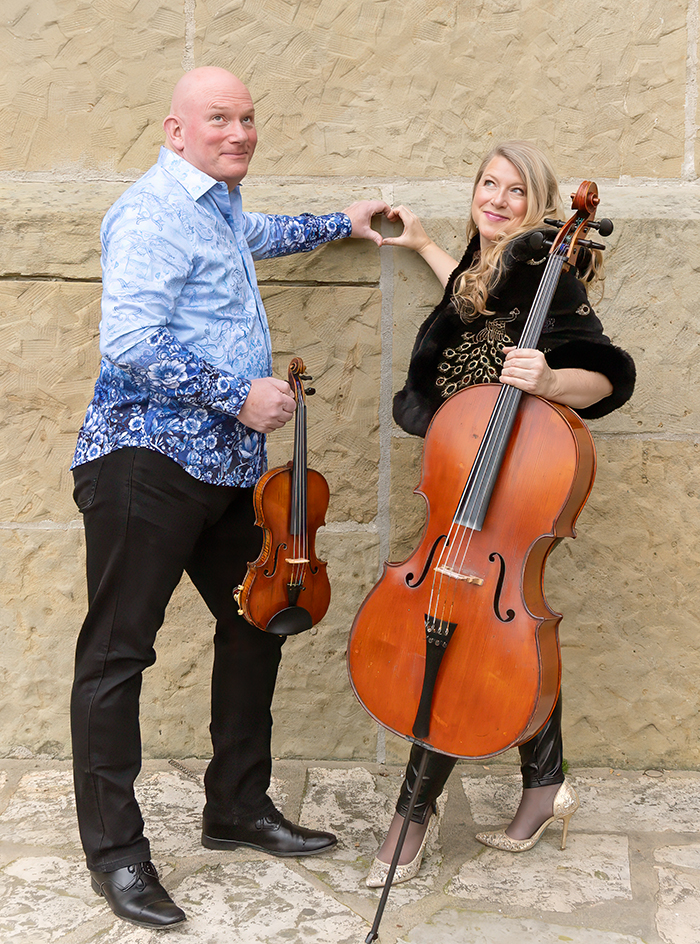
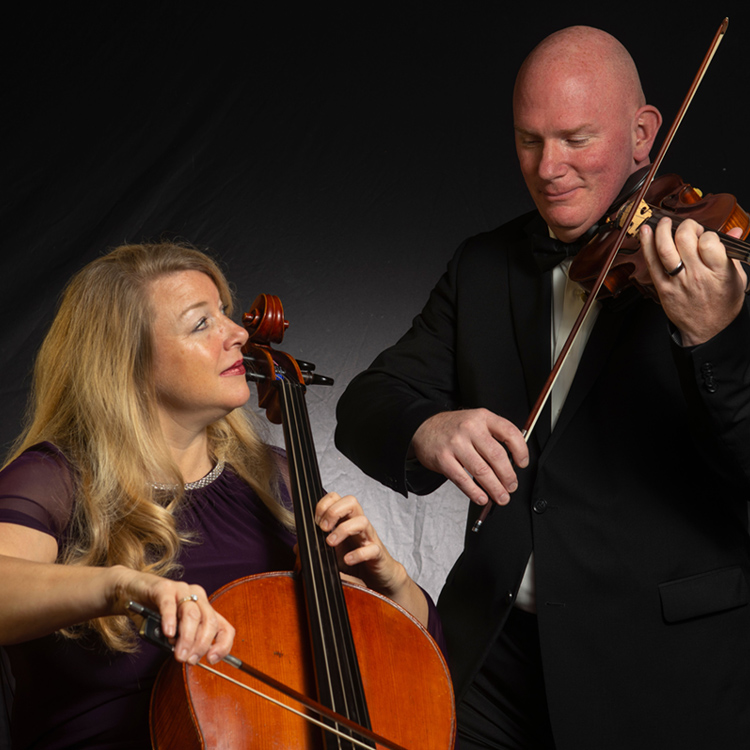
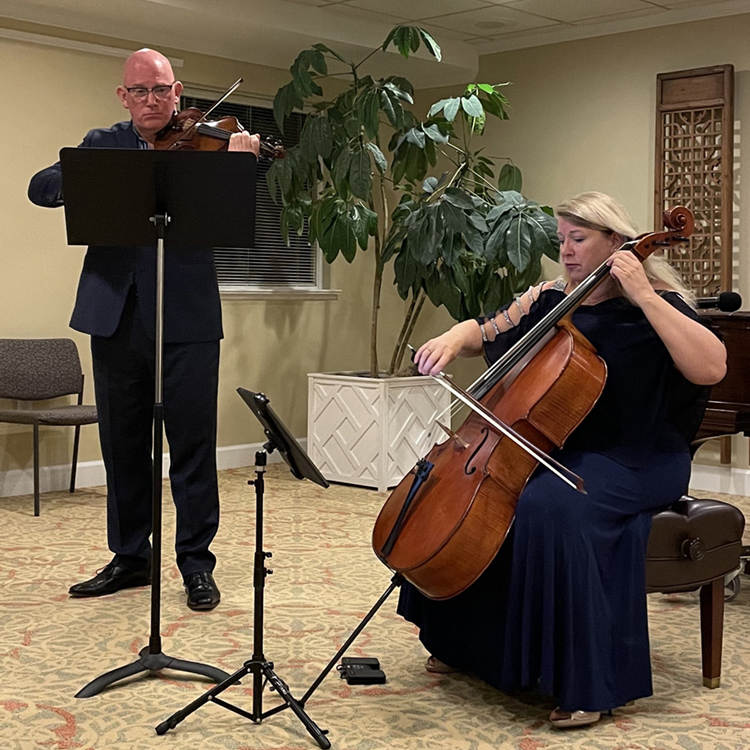
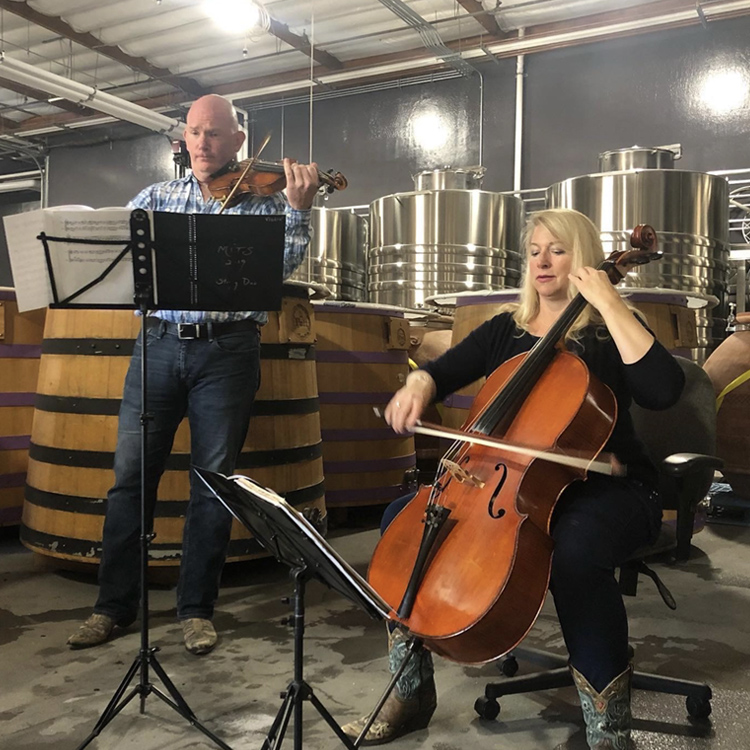
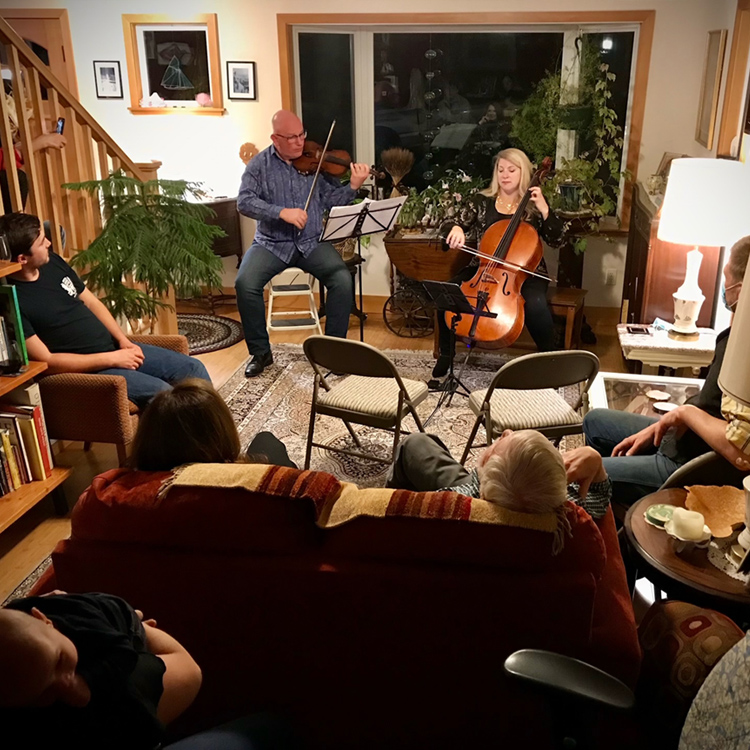
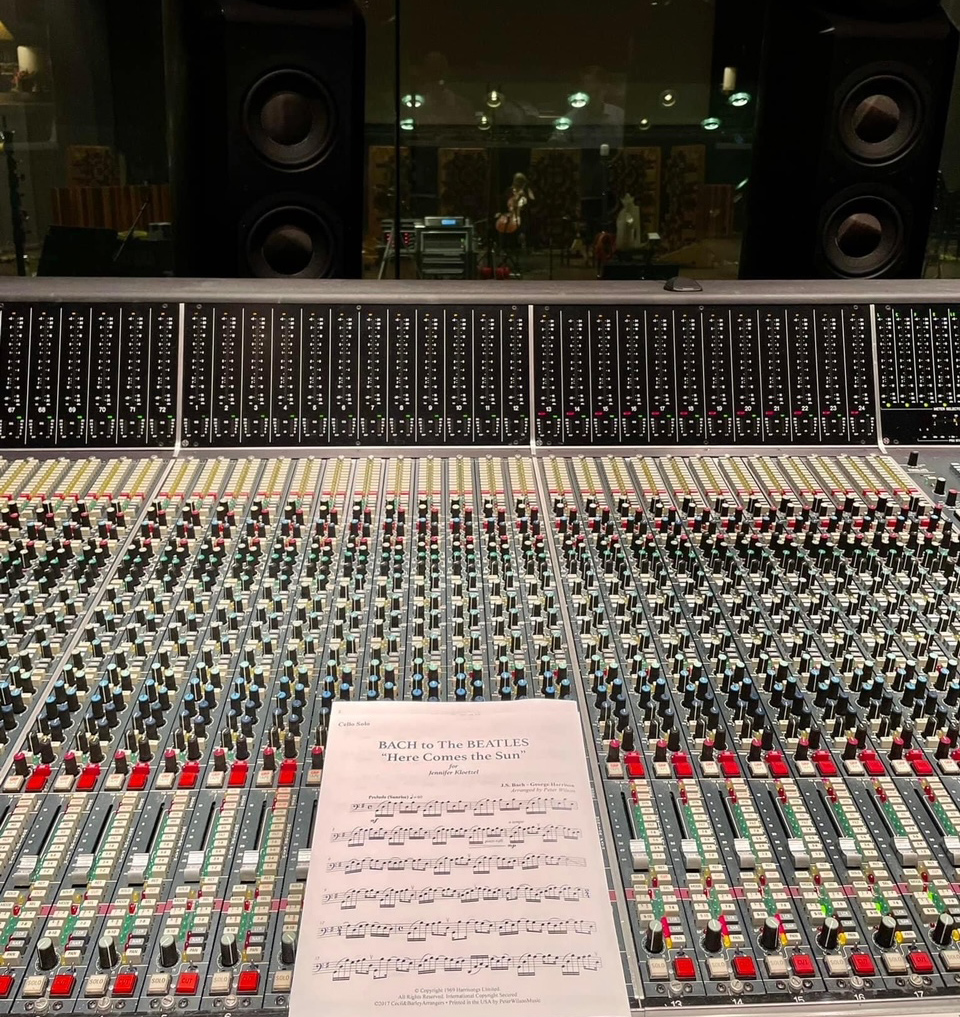
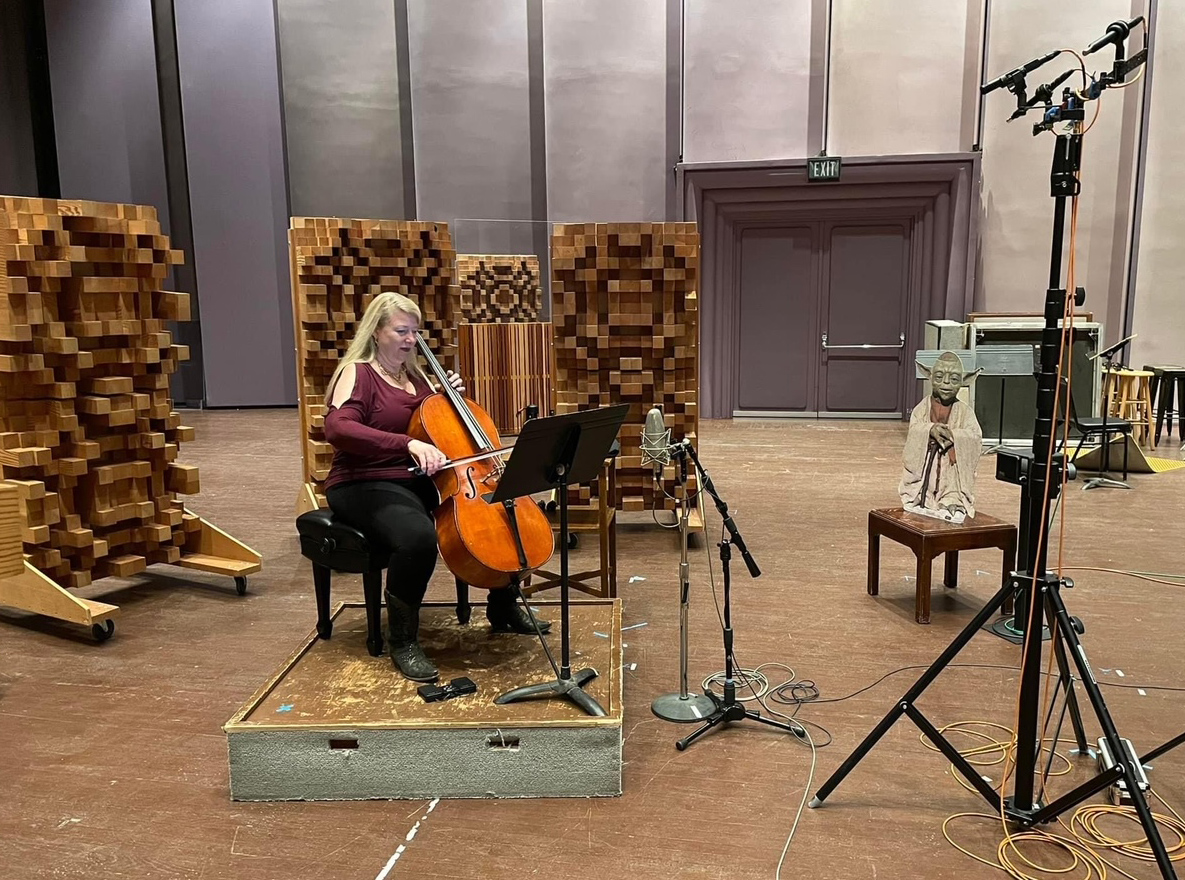
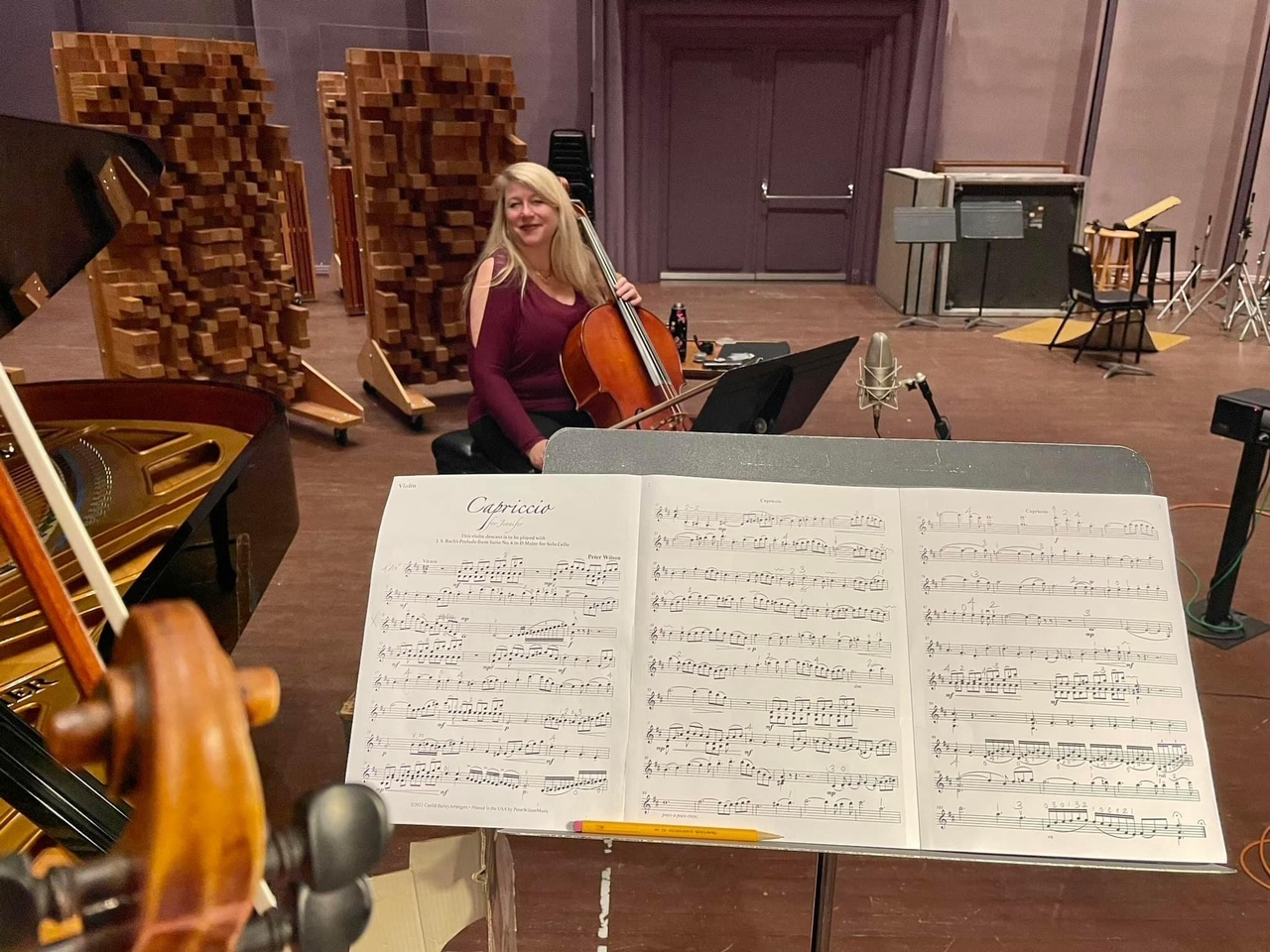
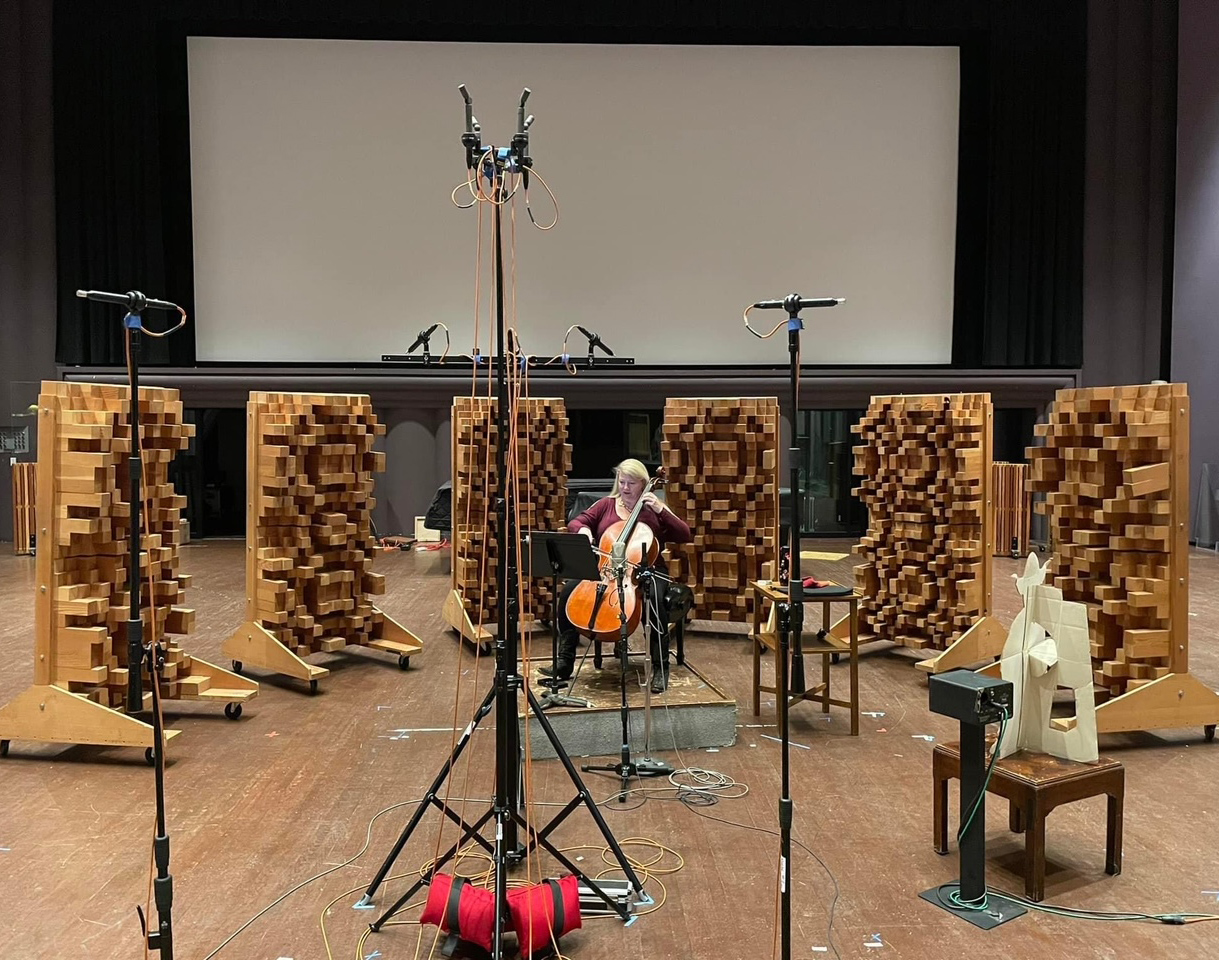
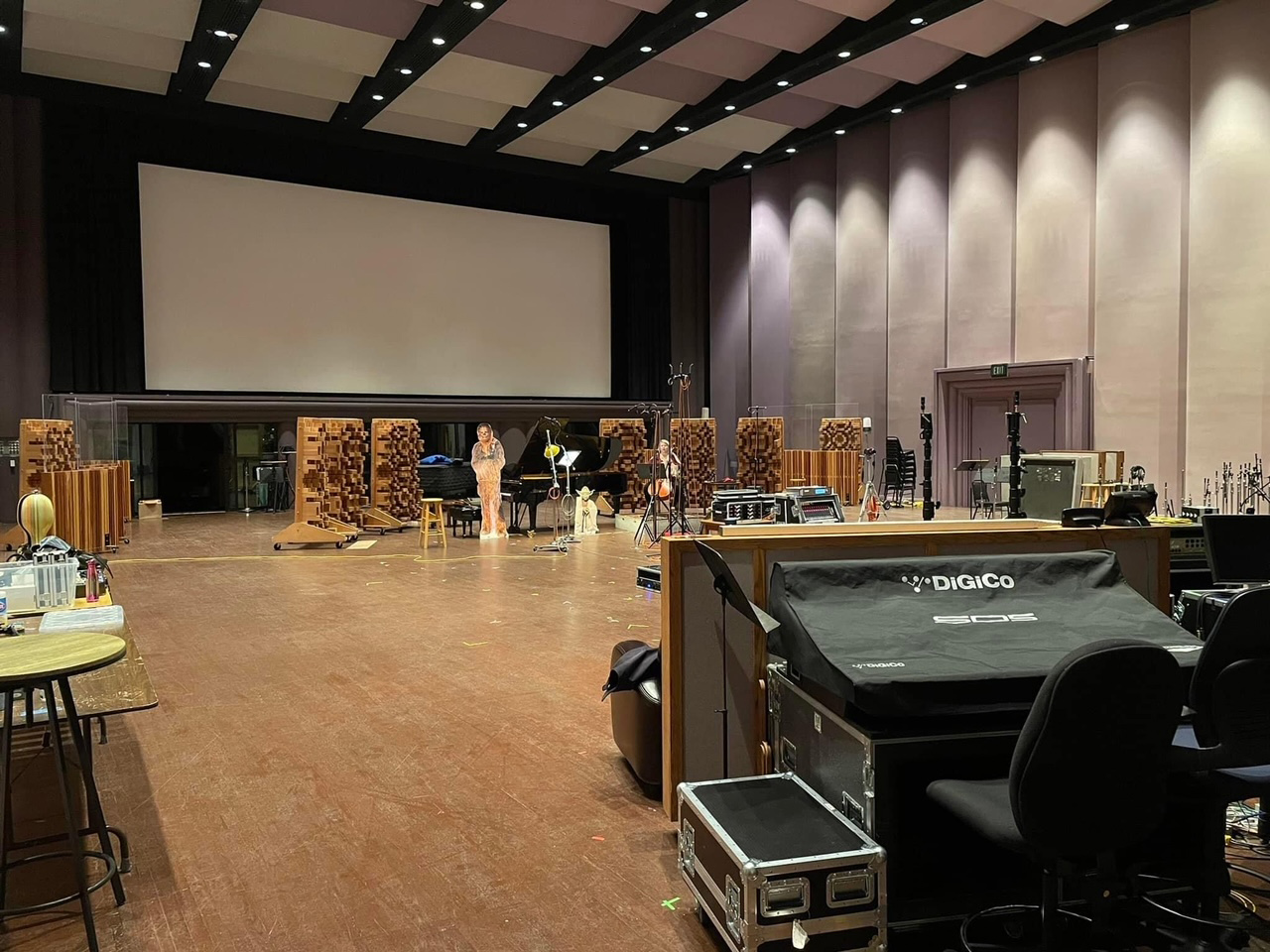
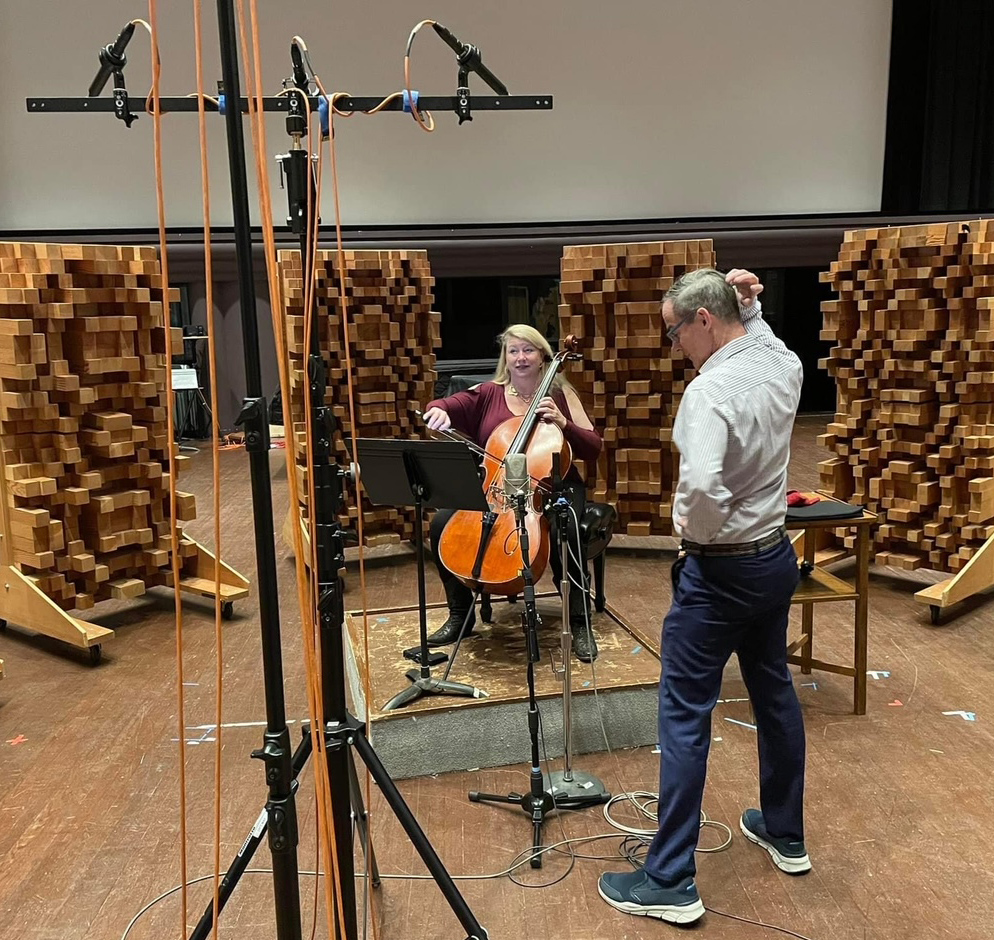
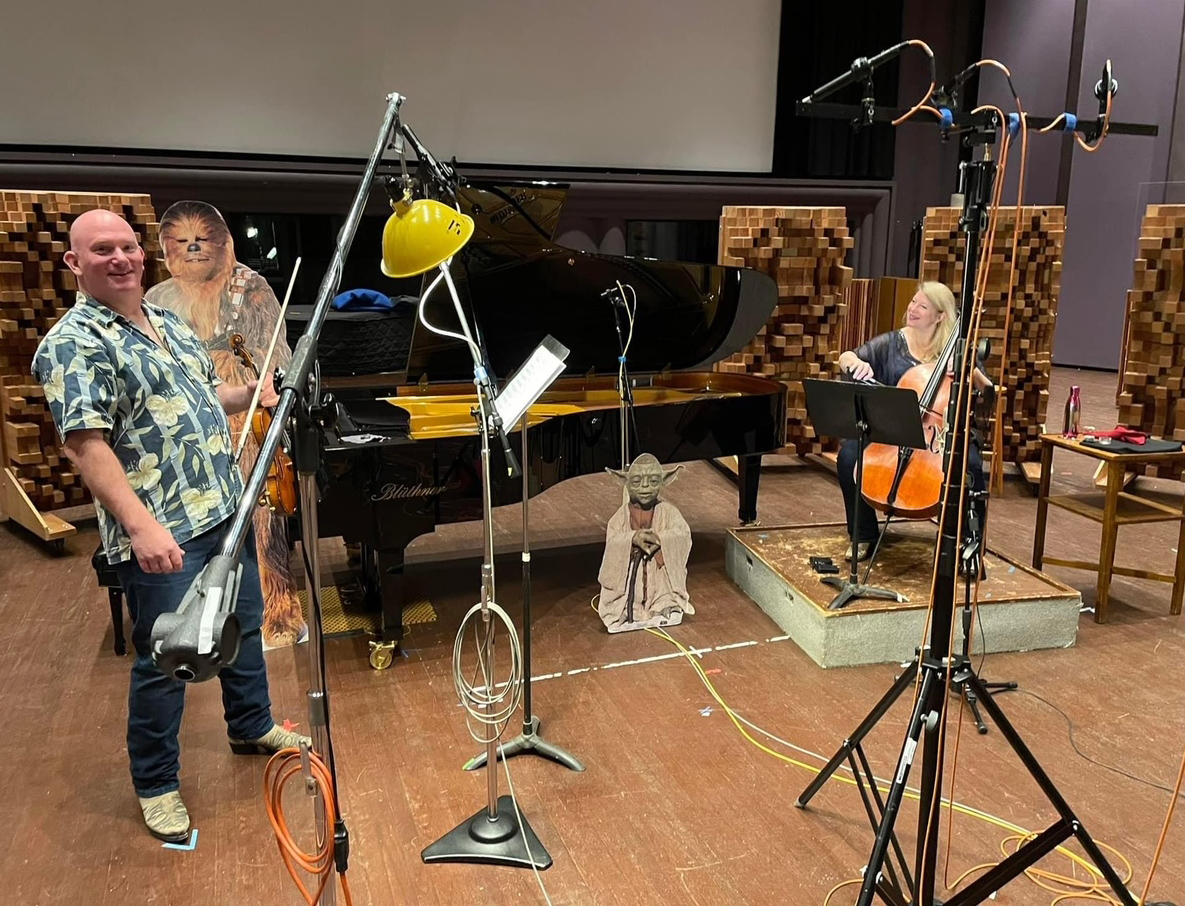
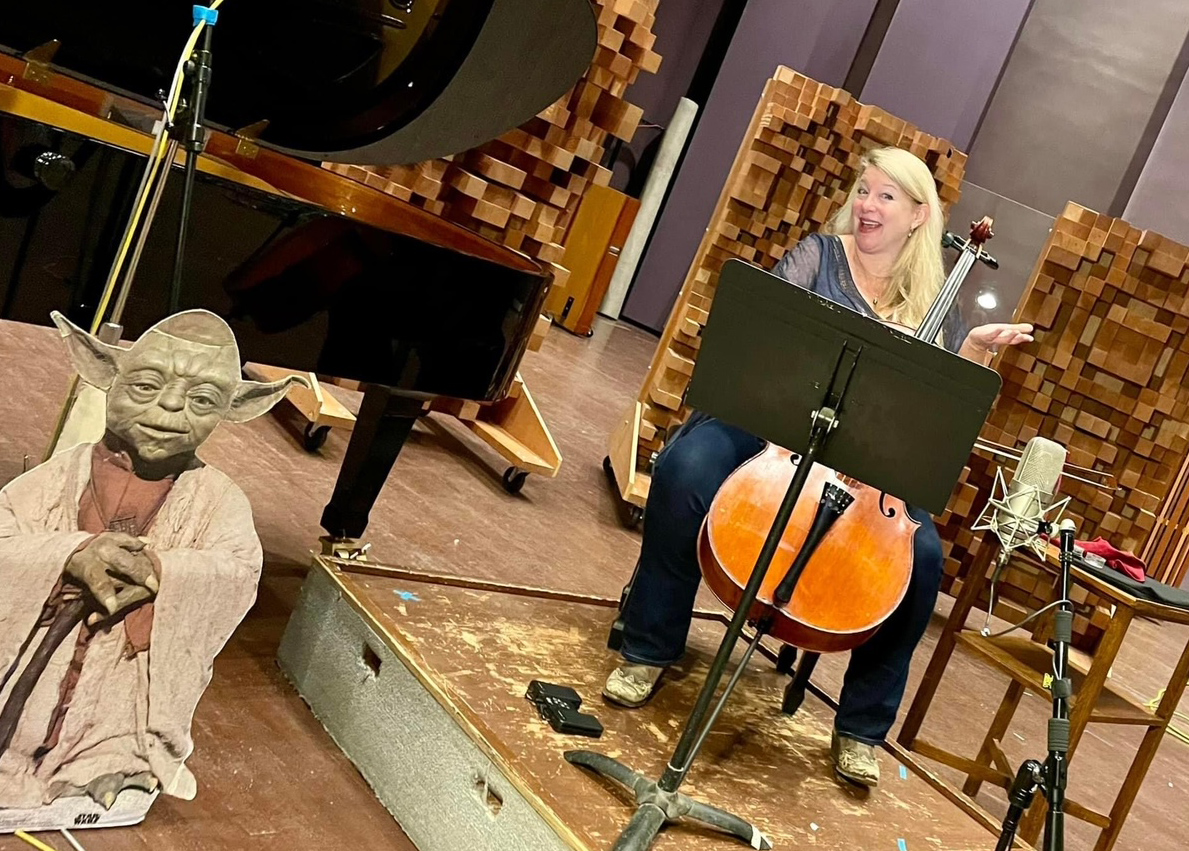
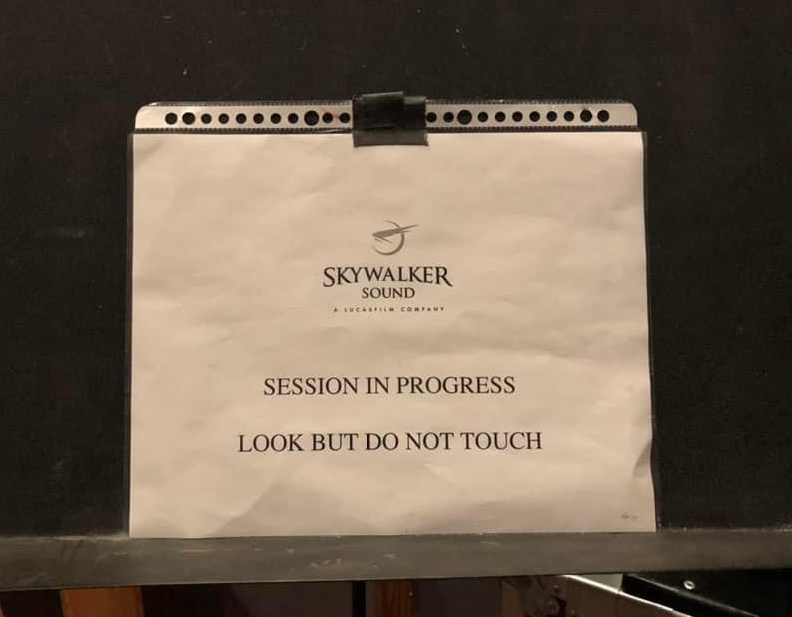
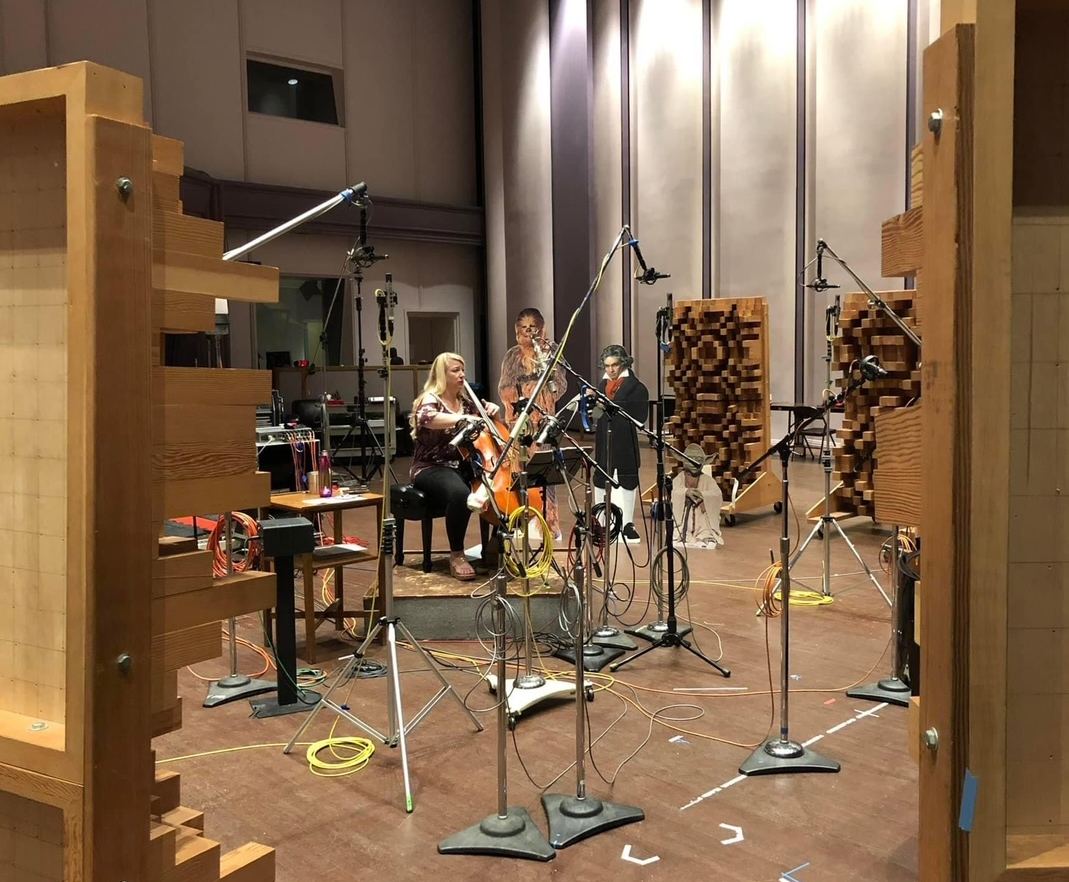
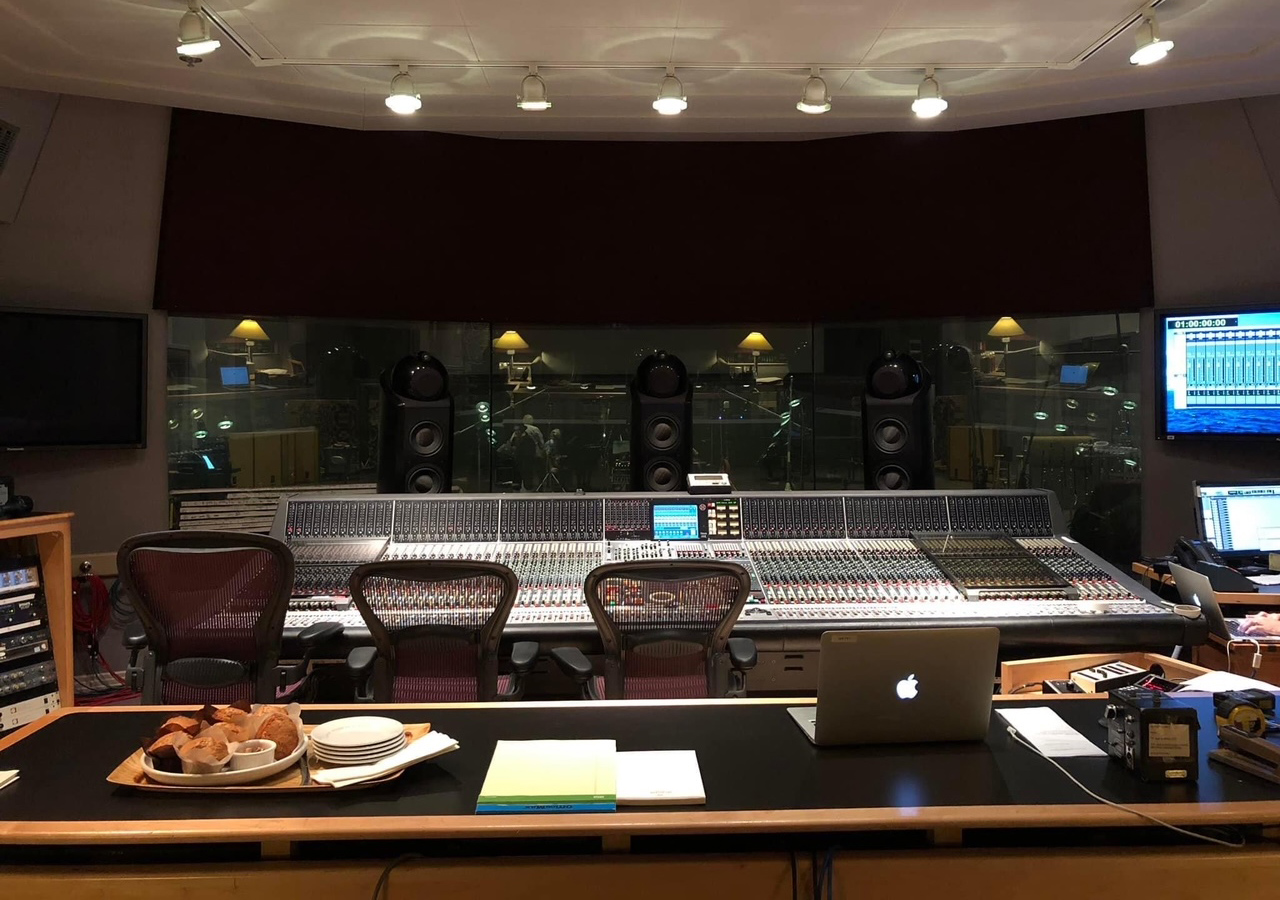
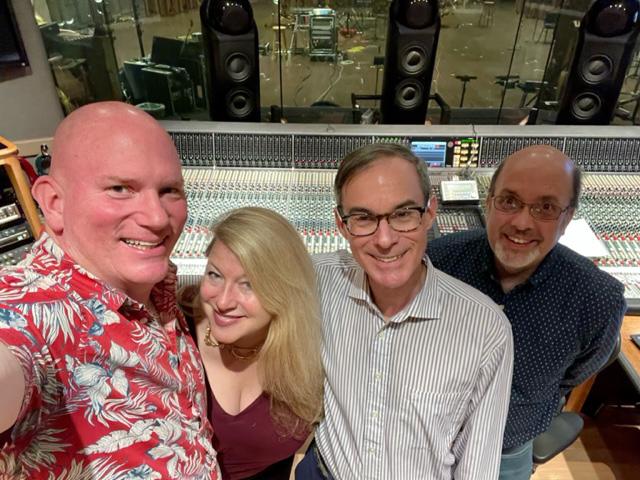
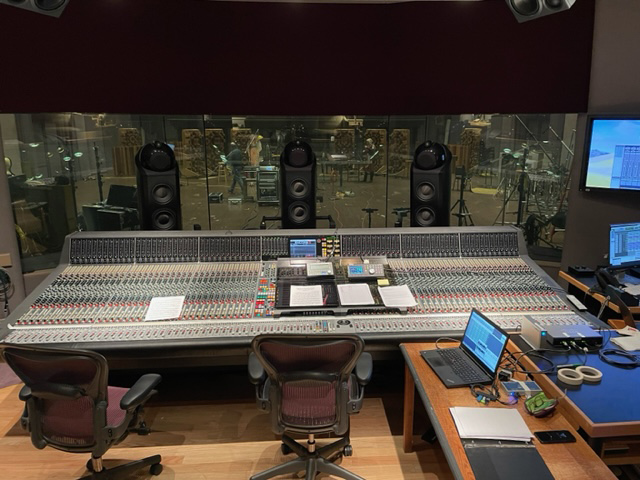
The BrickHouse Duo brings a wealth of artistry to the concert stage with decades of combined experience between the performers, violinist Peter Wilson and cellist Jennifer Kloetzel. They met as members of the inaugural National High School Honors Orchestra, which assembled the finest youth musicians from all 50 States for a performance in Anaheim, California at the Music Educators National Conference. Peter and Jennifer went on to have extensive careers as performing artists. They reunited years later to begin a new collaboration, first with Jennifer appearing as cello soloist with orchestras under Peter’s direction. Soon they were performing violin and cello duo repertoire, and in 2017 they officially launched The BrickHouse Duo as a recording and touring ensemble. They have performed as a duo throughout the United States in recital and concerto appearances as well as house concerts, benefit programs, patriotic celebrations, and holiday pops. The duo recently completed “The Bach-Wilson Project” – a Bach-inspired album featuring a collection of six original descants and duets composed by Peter and paired with each of Bach’s Preludes from his Suites for Solo Cello, iconic works that Jennifer has championed throughout her career. The project was recorded at Skywalker Sound Studios in Nicasio, California.

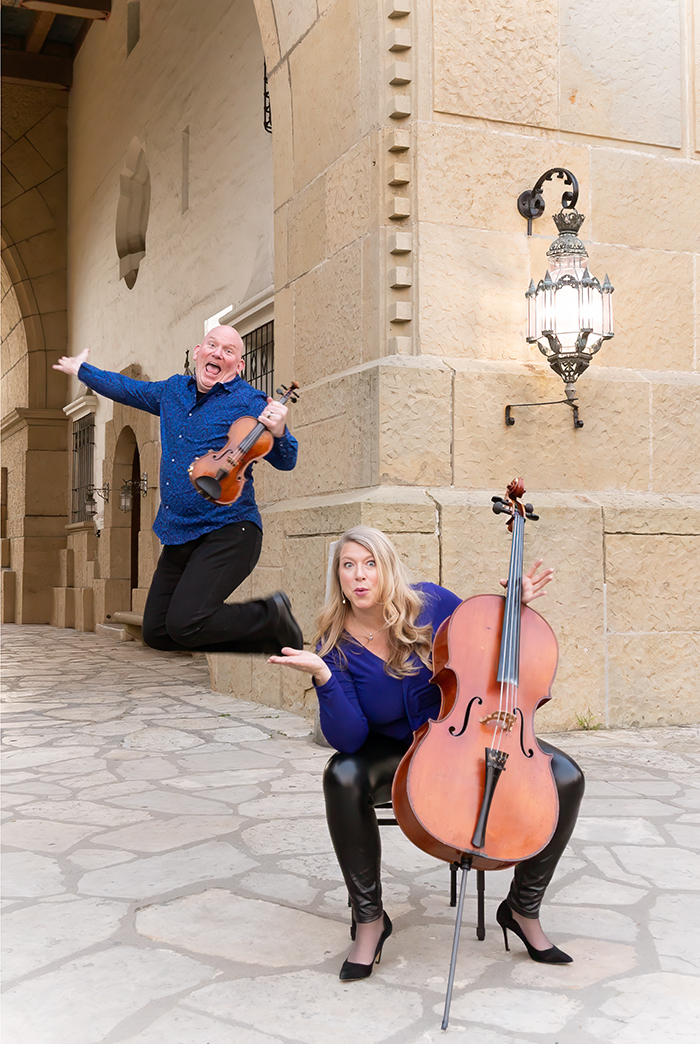
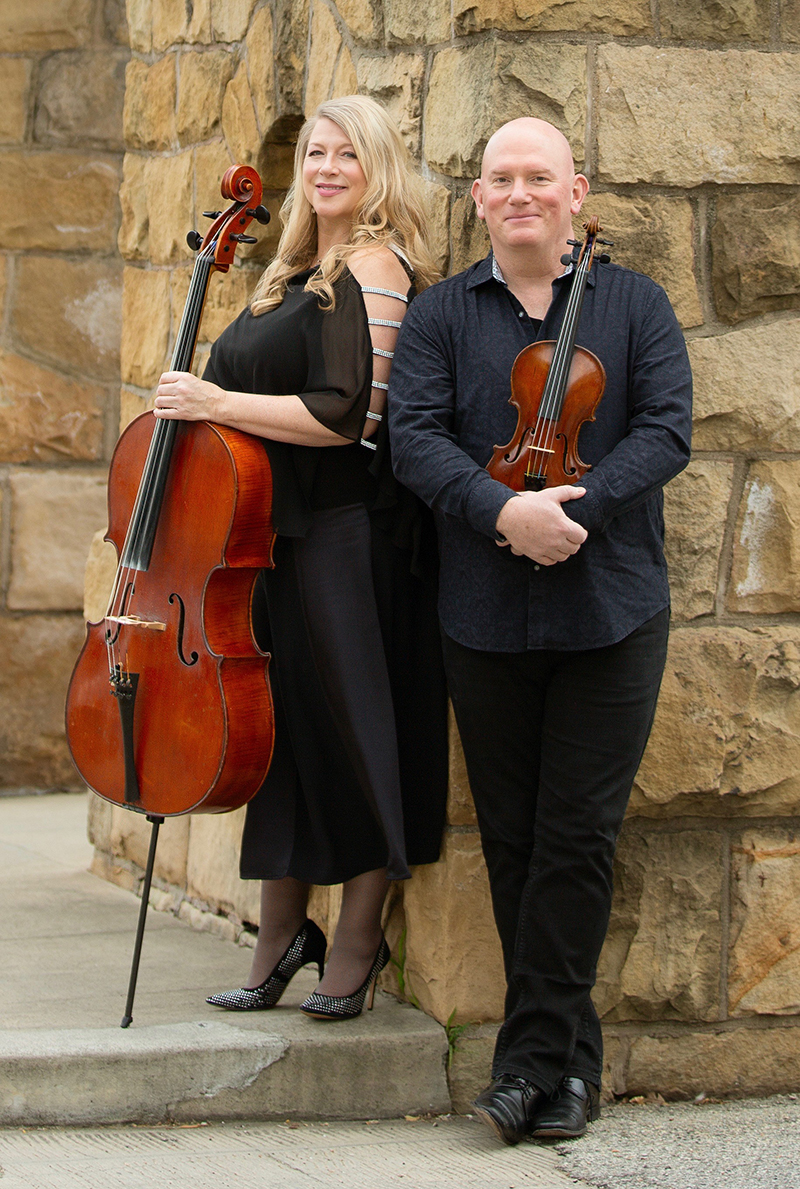
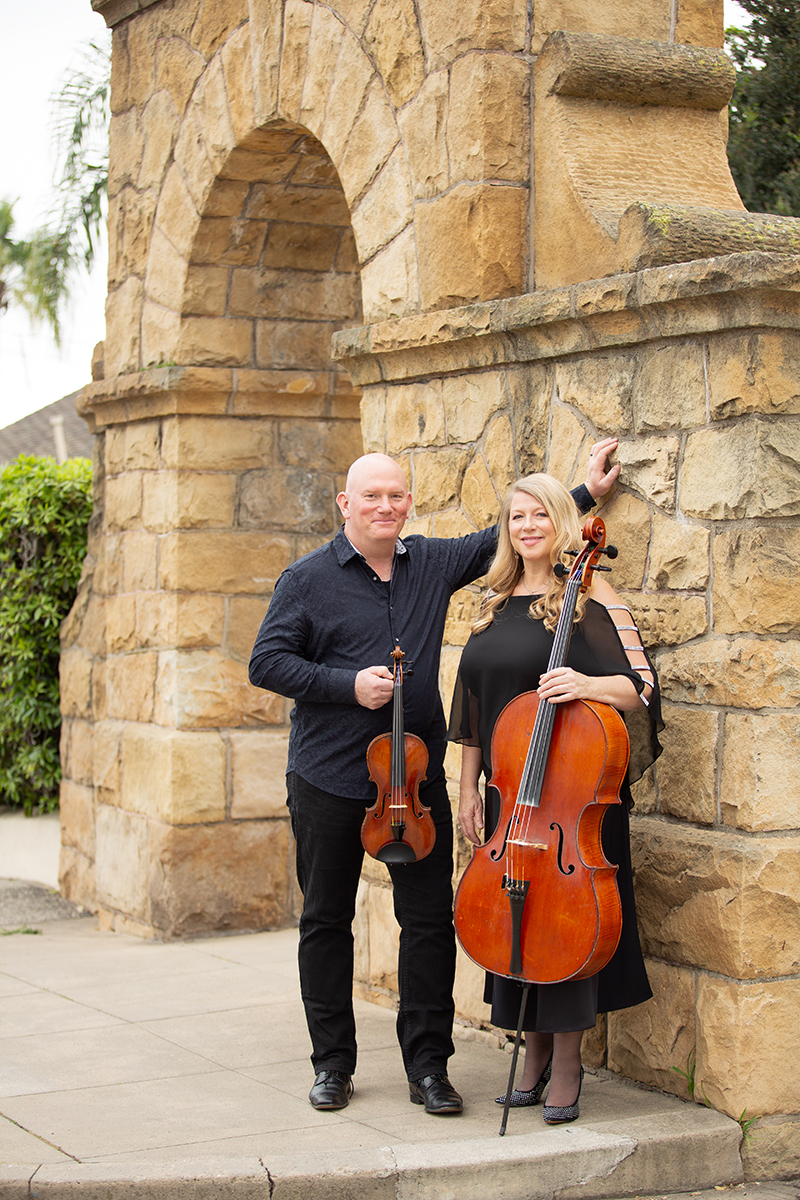
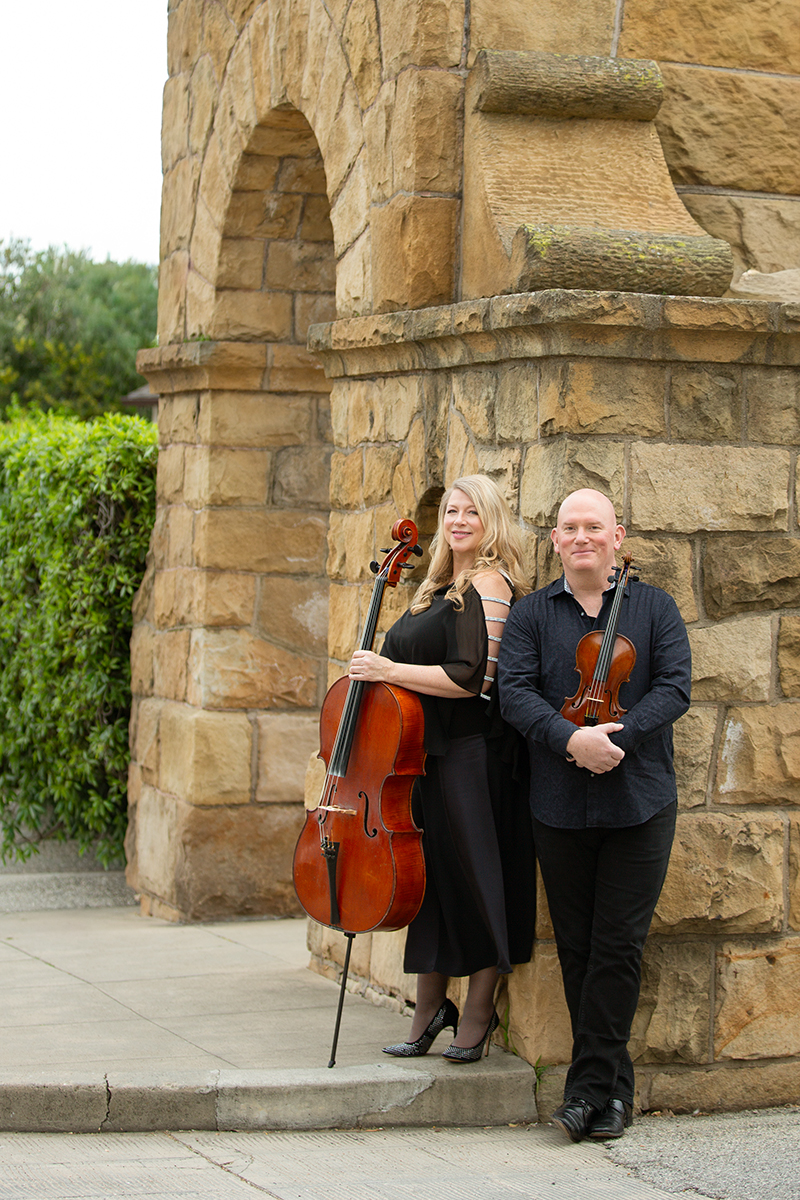
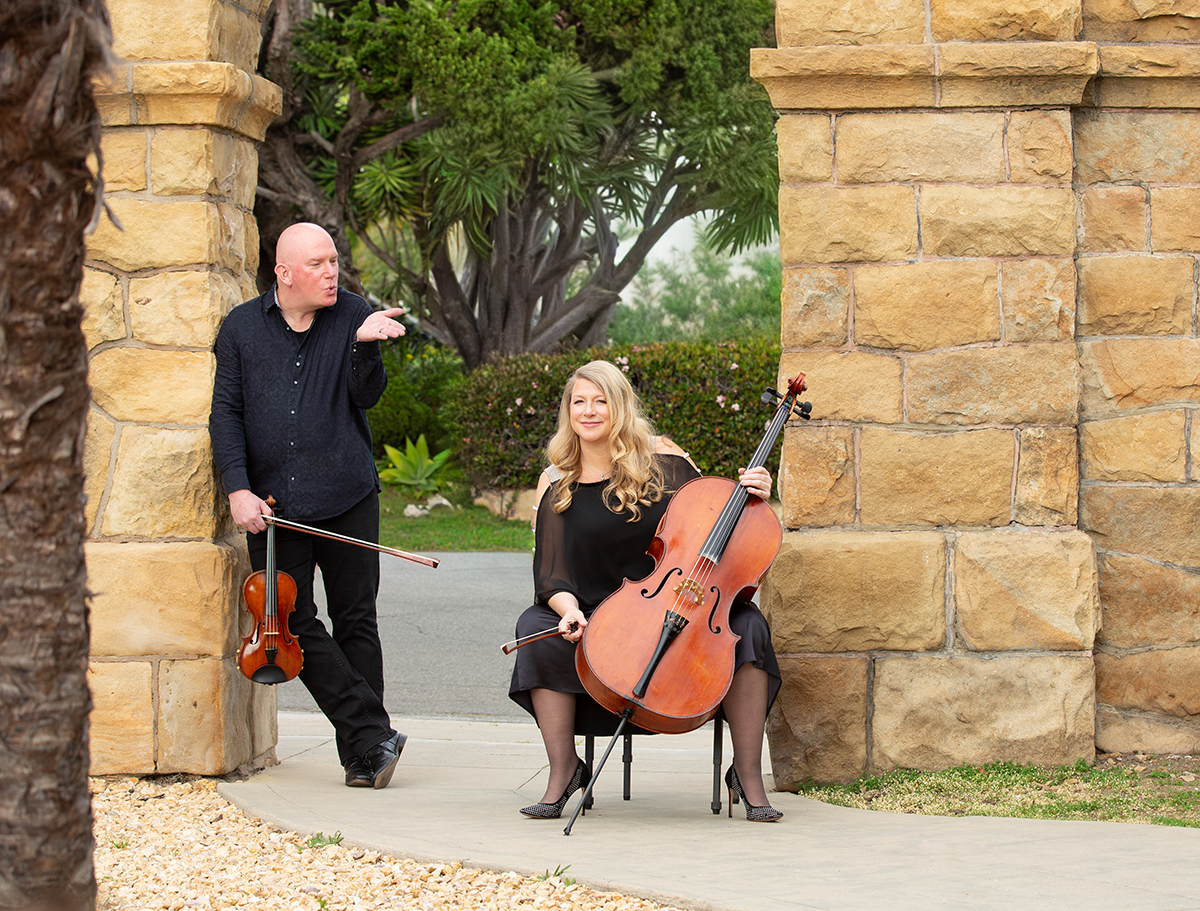
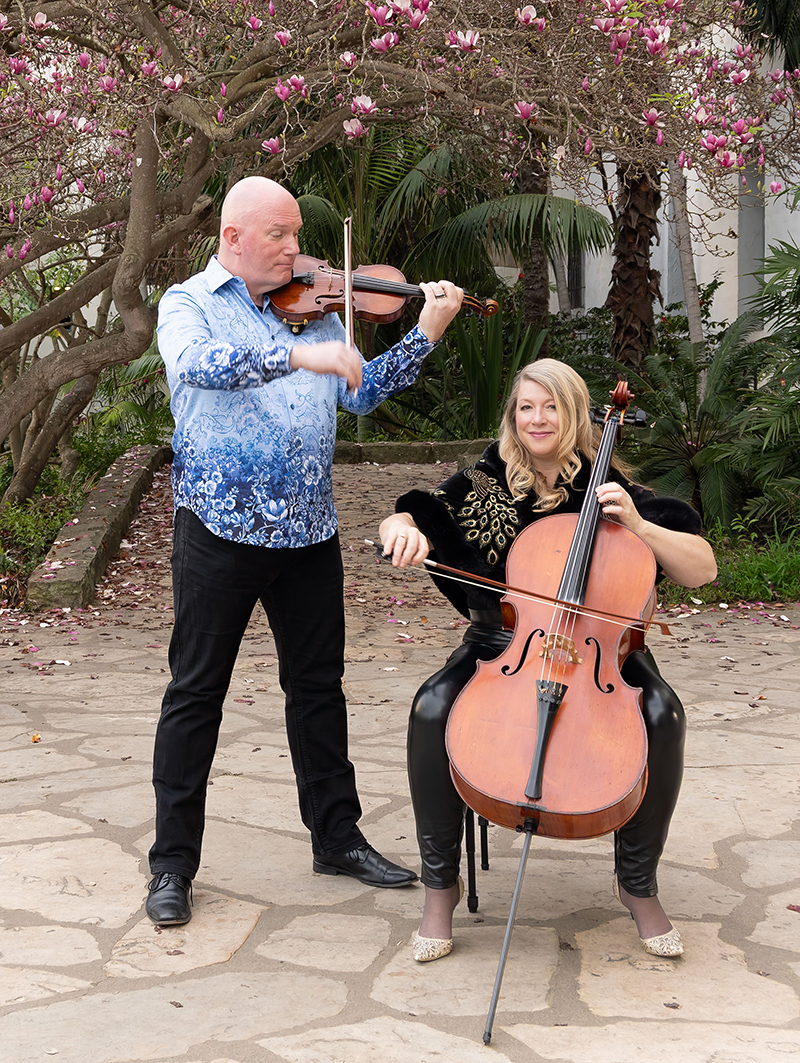
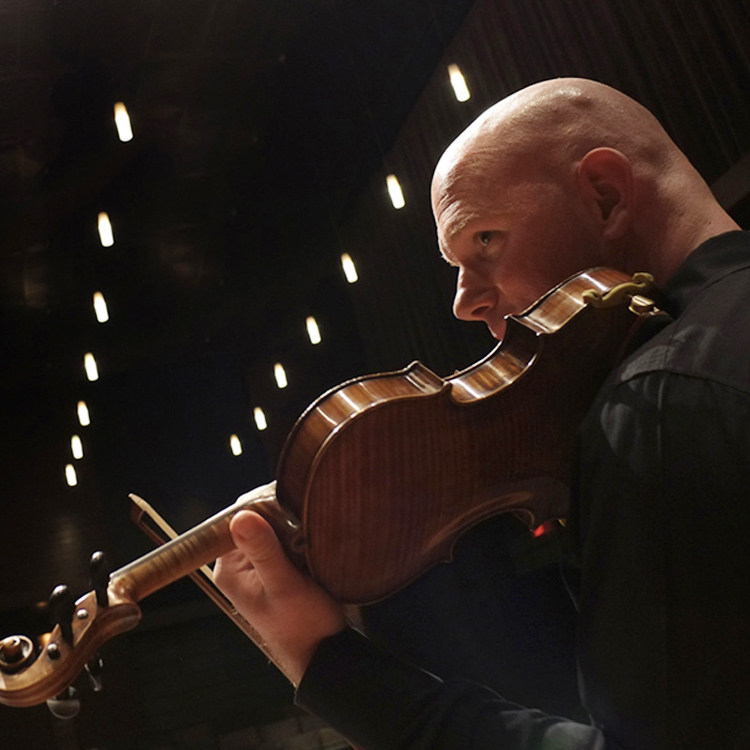
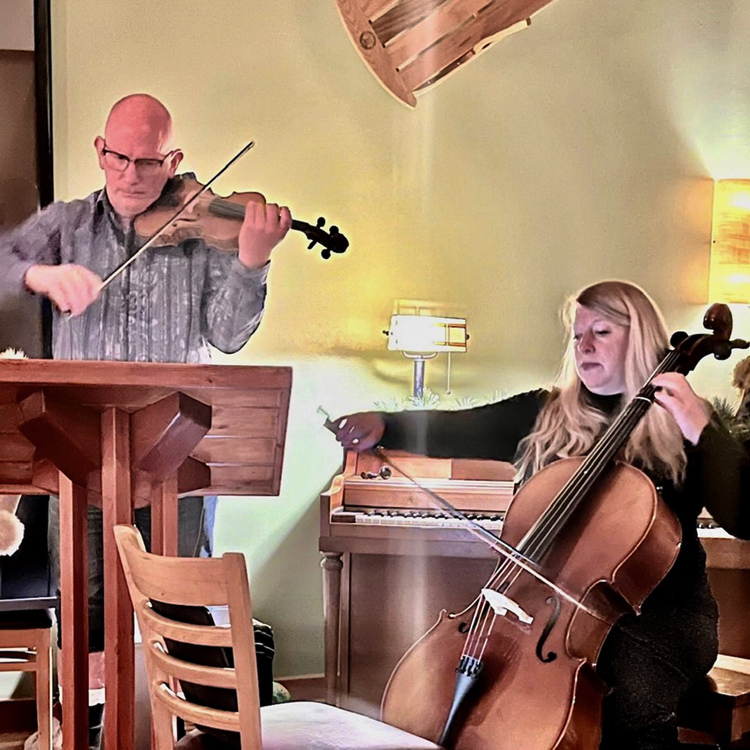
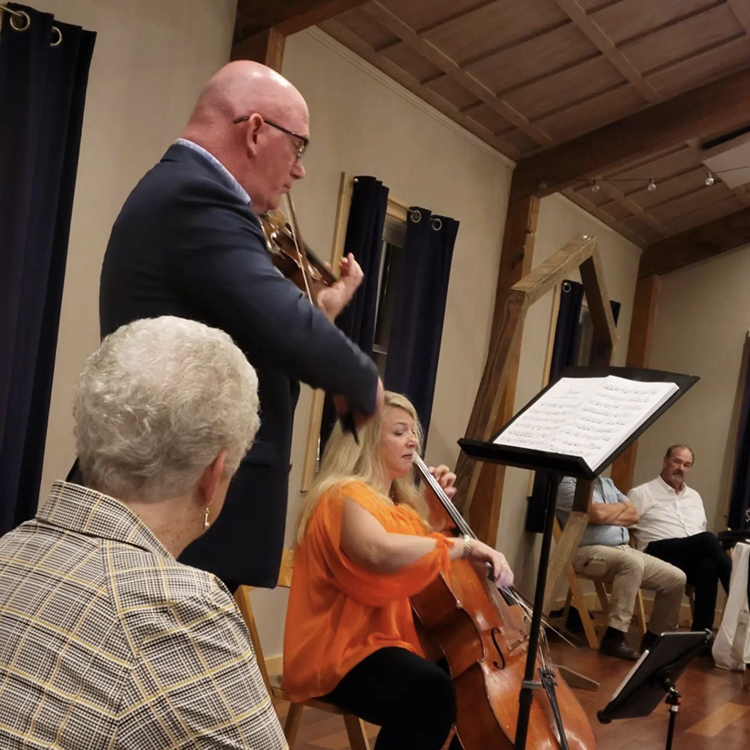
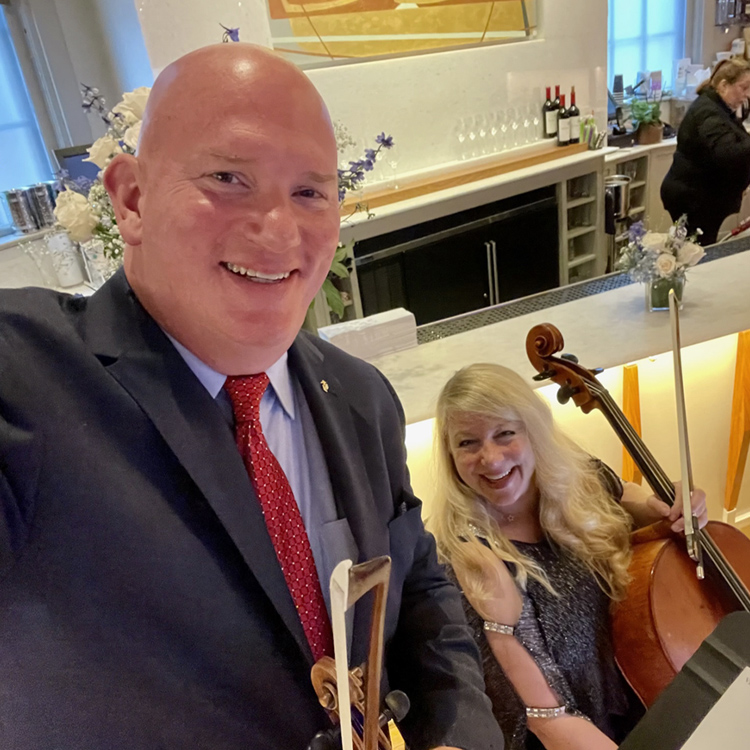
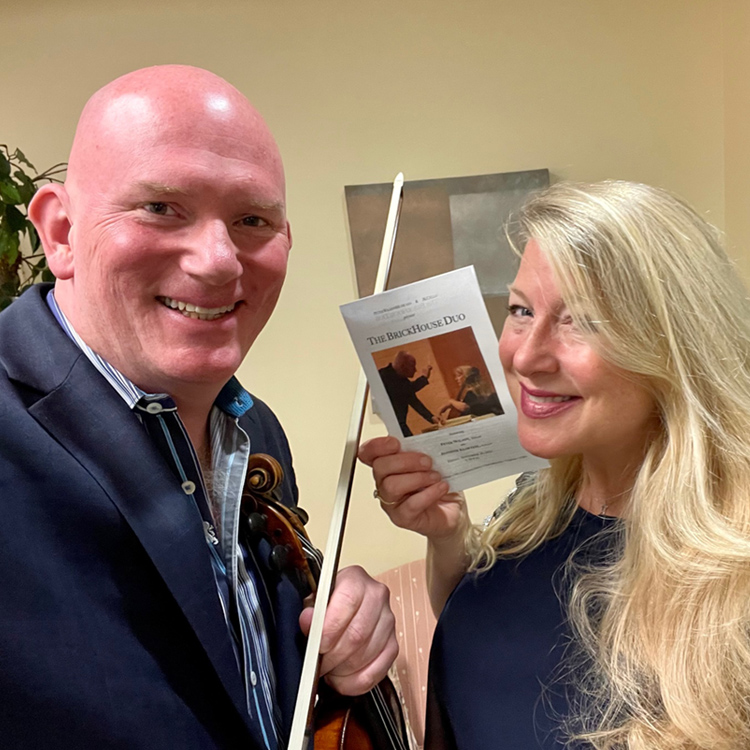
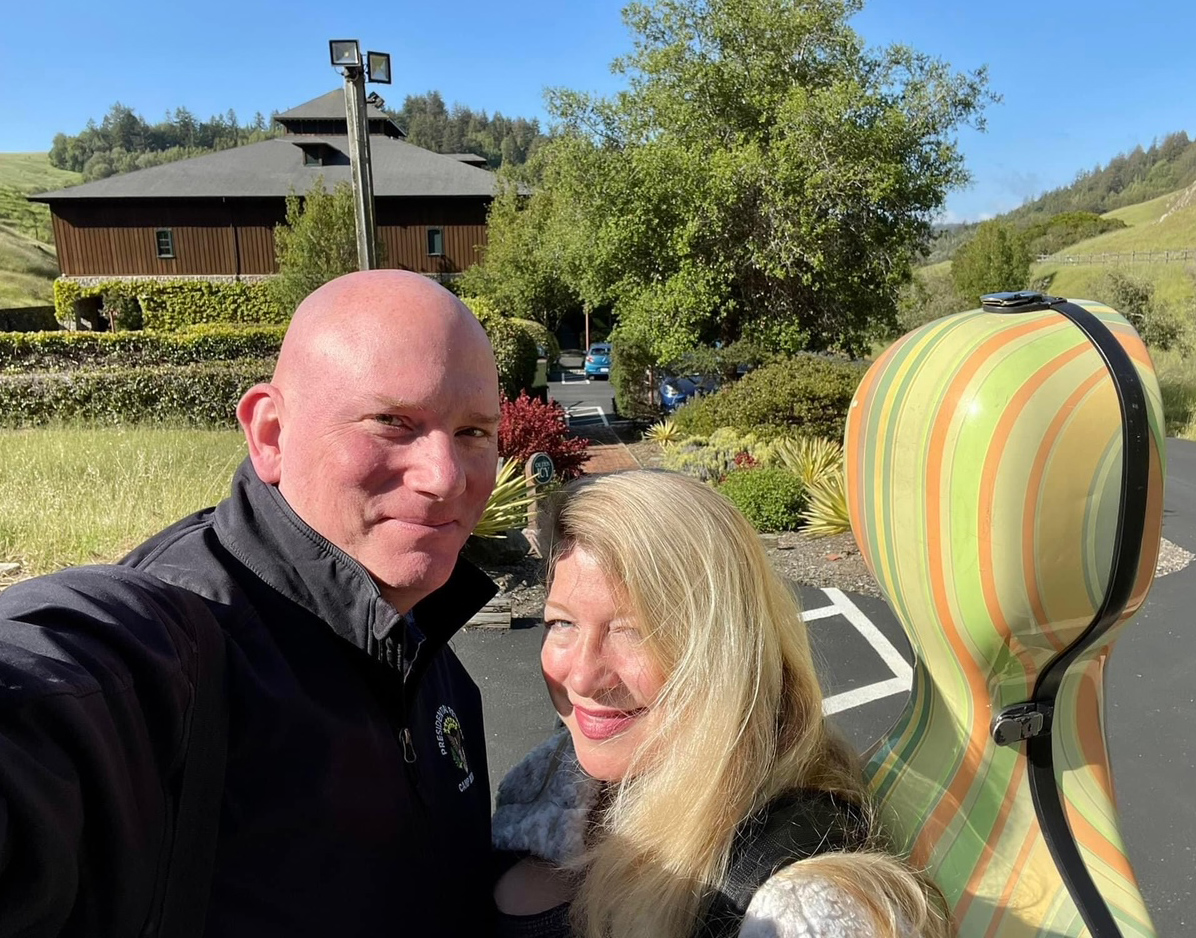
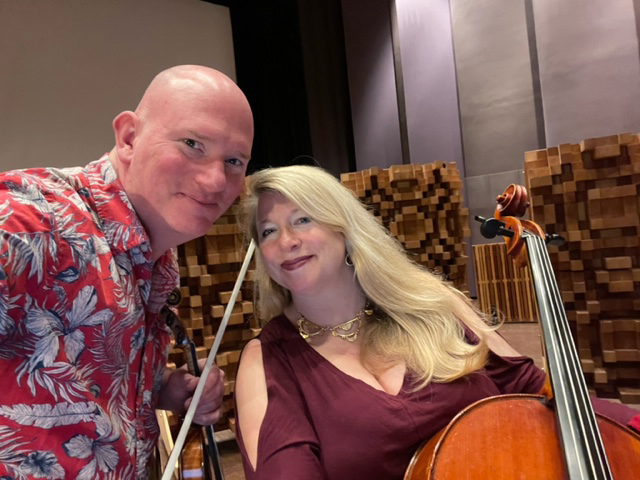
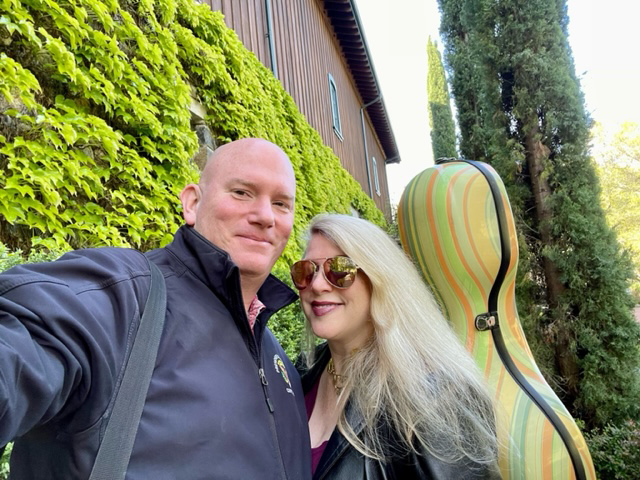
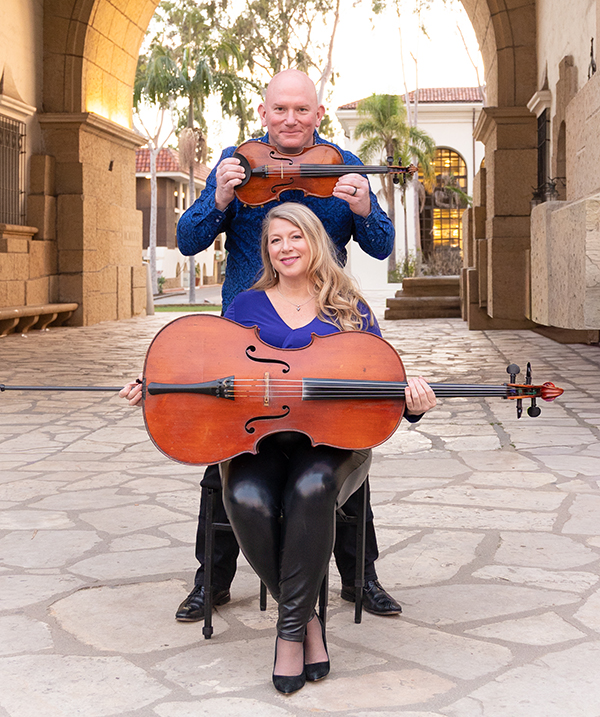
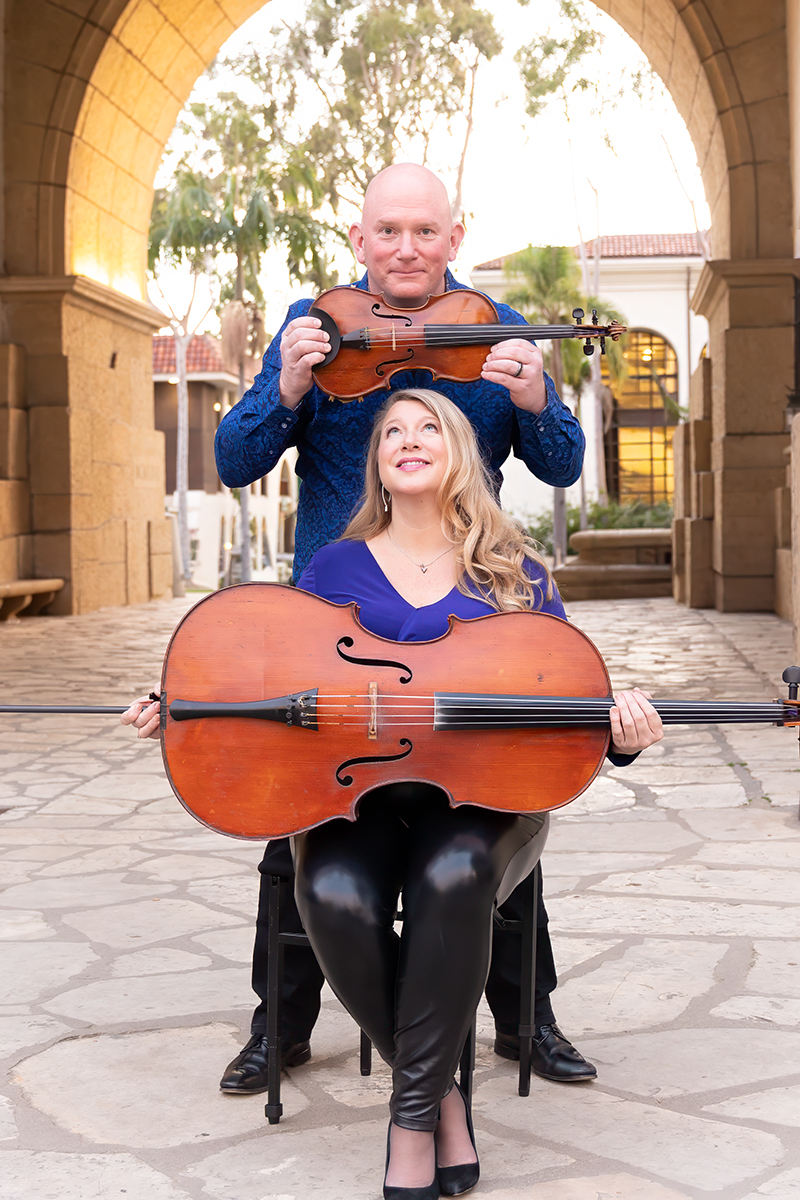
The BrickHouse Duo - Peter Wilson and Jennifer Kloetzel
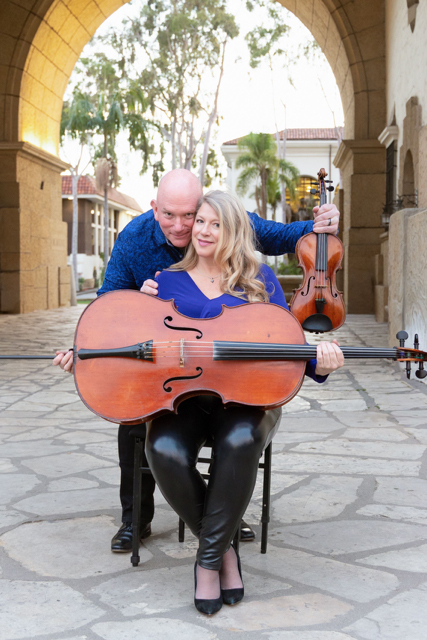
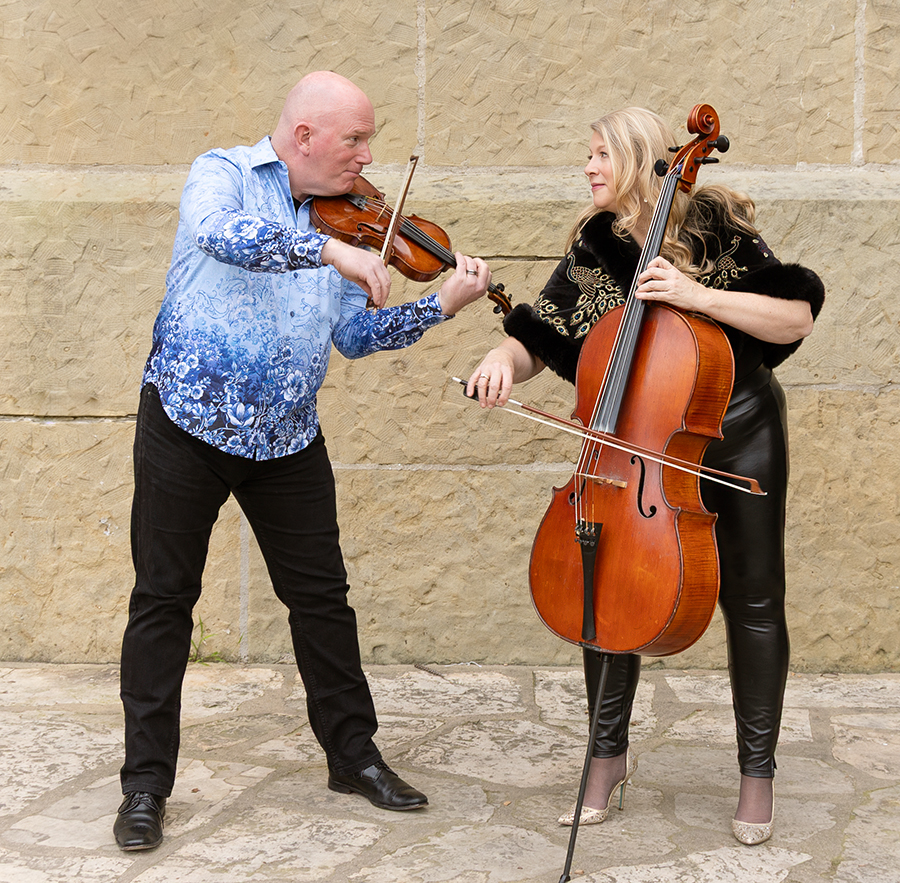
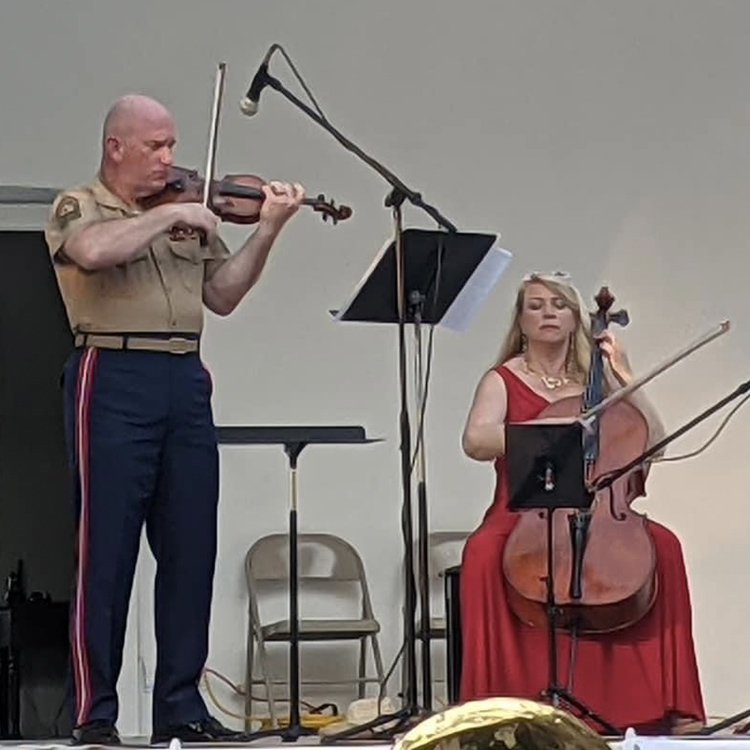
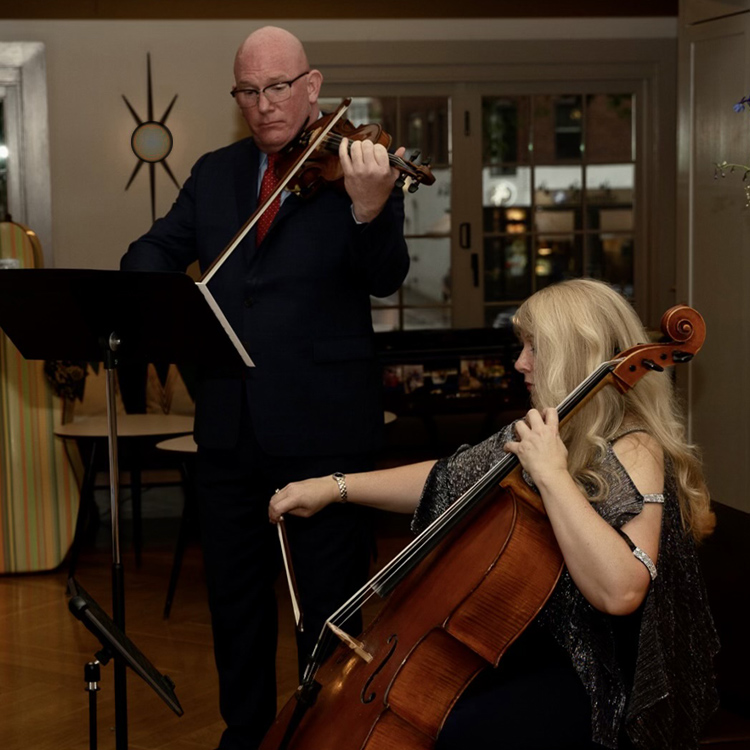
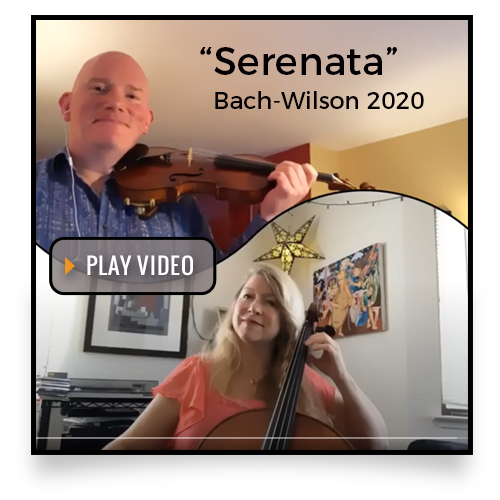
The BrickHouse Duo performing Serenata

The BACH-WILSON Project

PETER WILSON, VIOLIN • JENNIFER KLOETZEL, CELLO
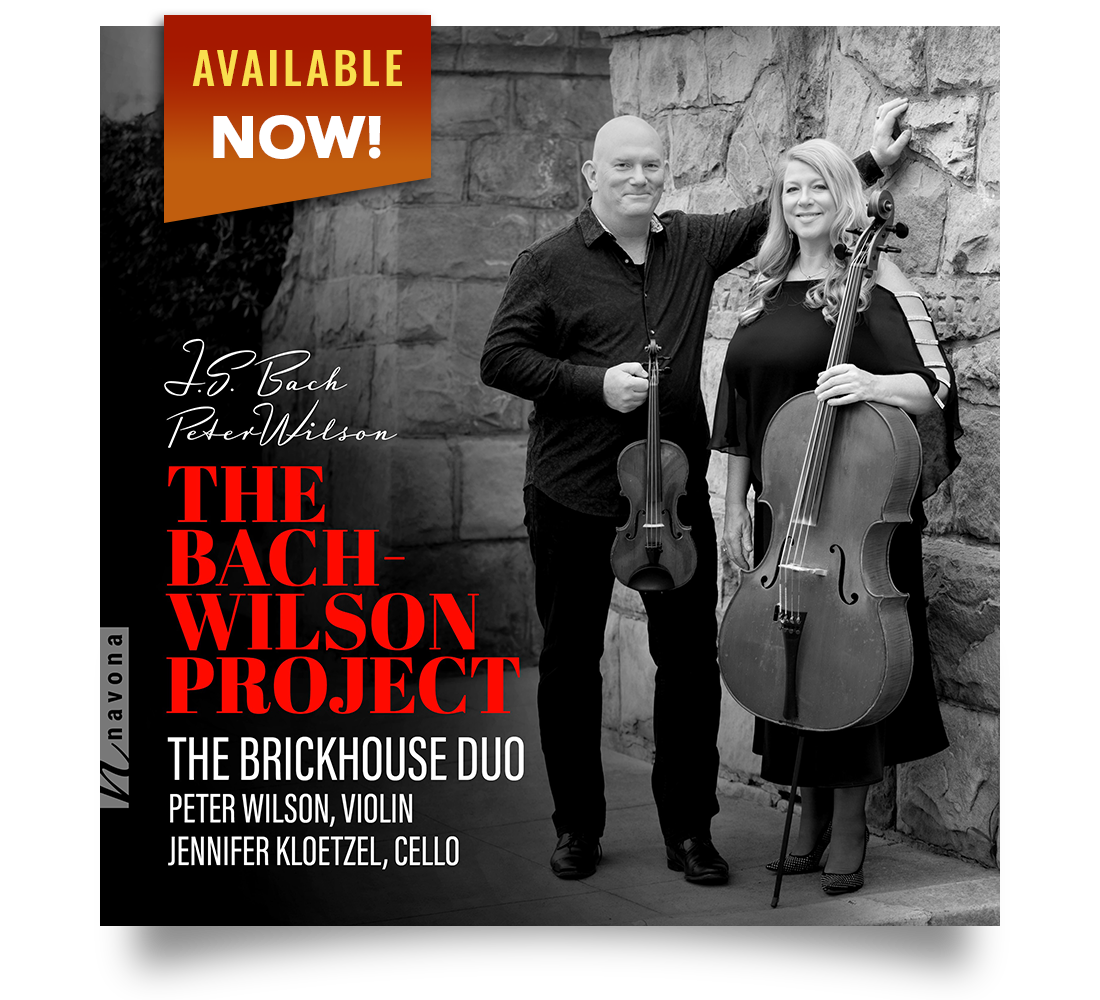
The BACH-WILSON Project, Coming Summer 2026

(1-6) PETER WILSON: Six Descants & Duets – for Jennifer

[to be paired with the Six Preludes from J. S. Bach’s Suites for Solo Cello, BWV 1007-1012]

  1. Serenata* (with Prelude from Suite No. 1 in G Major, BWV 1007)
  2. Soliloquy (with Prelude from Suite No. 2 in D Minor, BWV 1008)
  3. Toccata (with Prelude from Suite No. 3 in C Major, BWV 1009)
  4. Cavatina (with Prelude from Suite No. 4 in E-flat Major, BWV 1010)
  5. Lament & Hope (with Prelude from Suite No. 5 in C Minor, BWV 1011)
  6. Capriccio (with Prelude from Suite No. 6 in D Major, BWV 1012)

*  “Ave Timo” – Dedicated to the memory of Timo Wilson (2000-2018)

(7-10) BACH: Four Duets, BWV 802-805**

  1. Duetto I, BWV 802
  2. Duetto II, BWV 803
  3. Duetto III, BWV 804
  4. Duetto IV, BWV 805

(11) BACH-BRAHMS: Five Studies for Piano, No. 3 – Presto after J.S. Bach in G minor – First Version (1879)**

(12) BACH & LENNON-McCARTNEY: “Bach Meets The Beatles – Penny Lane”

(arranged for solo piano by John Bayless)**

(13) BACH-HARRISON: “Bach to The Beatles – Here Comes the Sun” for Solo Cello

(arr. Peter Wilson)

**transcribed for Violin and Cello by Peter Wilson

ALBUM NOTES:

The Bach-Wilson Project is a Bach-inspired album performed by violinist Peter Wilson and cellist Jennifer Kloetzel that features a set of six original descants and duets composed by Wilson and paired with each of J.S. Bach’s Preludes from his Suites for Solo Cello. These are followed by Wilson’s transcriptions for violin and cello of other works composed by and/or inspired by Bach, completing a collection of duos that celebrate the Baroque master.

Inspired by Charles Gounod’s “Ave Maria” descant that was paired with Bach’s C Major Keyboard Prelude, Wilson was motivated at the beginning of the pandemic shutdown of 2020 to create his own descant for Bach’s G Major Prelude from Suite No. 1 for Solo Cello, which is a similar arpeggiated chord progression to that of the Keyboard Prelude. Upon completion of this first descant, he recorded a demo of the work with cellist Jennifer Kloetzel, who encouraged Wilson to complete the set by writing descants or duets to the remaining five Preludes. The last duet was completed in early 2022, and Wilson assigned a name to each: Serenata, Soliloquy, Toccata, Cavatina, Lament & Hope (a duet to the 5th Prelude & Fugue), and Capriccio.

Here are further notes on the composition of the descants and duets by Wilson:

 “Just as Gounod heard a descant over Bach’s C Major keyboard prelude, I thought a melodic descant might work over Bach’s G Major Cello Prelude. It soon occurred to me that someone else surely must have thought of this already. I then conducted a search on the internet, and to my surprise, I found no such descants. This was the motivation behind my composing such a descant to be paired with the 1st Suite Prelude in G. I vowed to not change a note of the Bach; however, I did feel it appropriate to have the first four measures repeated, in the spirit of the Bach-Gounod, to serve as an introduction. I asked my then-fiancée, renowned concert cellist Jennifer Kloetzel, to record the Bach (with repeated measures) via the acapella app. Unfortunately, we were separated during the pandemic shutdown – I in Virginia and she in California. As a member of “The President’s Own” U.S. Marine Band at the time, I was grounded from air travel. Upon receiving her Bach Prelude recording, I proceeded to record my descant over hers. Jennifer appeared very pleased by the result and then said, “Well, now you have to write descants for the remaining five Preludes!” And so began what would become my passion project during the shutdown as well as a wedding present to my soon-to-be bride. I gave the first descant the title “Serenata for Jennifer” and later added a dedication to my late nephew Timo Wilson (2000-2018) who tragically took his life at the young age of 17 after a long battle with OCD and severe anxiety. My nickname for Serenata became “Ave Timo.”

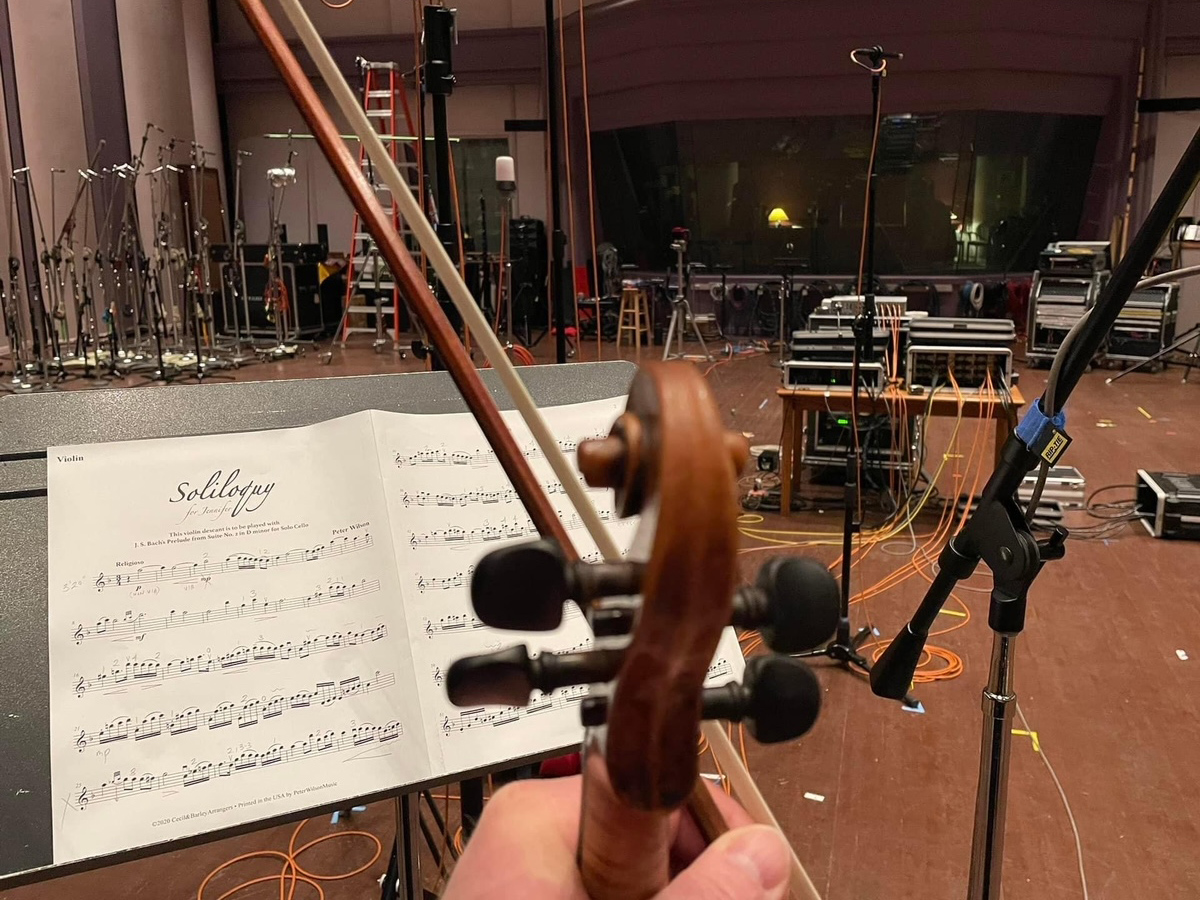
The 2nd Bach Prelude in D minor from Cello Suite No. 2 presented a different challenge in that it was not an arpeggiated chord progression like the 1st Prelude. It was quite melodic, in fact. At first, I had the idea to create a canon, displacing the Bach by a single beat. Surprisingly, this was very effective for nearly 12 measures! Beyond that, however, things fell apart. Now I had to decide as to whether I would simply change the notes that “didn’t work” in the context of the canon or simply throw this idea away and start anew. I chose the latter. The result was perhaps my favorite descant of the six. It combined elements of accompanying the cello, taking on a more melodic front, mirroring, and concluding with an arpeggiation of the famous five chords Bach composed as the end of the Prelude. Some cellists will improvise an arpeggiation of these chords while others will simply play the five chords as written. Giving the arpeggios to the violin made for a wonderful coda to this 2nd descant, which I entitled Soliloquy.

Bach’s Prelude in C Major from his Cello Suite No. 3 inspired a far more involved response. The violin part, which I named Toccata, took on a spirit that resembles more of an equal duet part than a flowing descant. While I was somewhat concerned that it might be too busy, I also began to embrace the contrast it embodied to that of the previous two descants. It really became a delightful exercise of answering the scales and passagework of the cello part, and it seemed to reflect Bach’s toccatas for organ.

As I listened to Jennifer play Bach’s Prelude from his 4th Cello Suite in E-flat Major, its steadfast 8th-notes provided a harmonic progression that inspired a descant in the spirit of the first Prelude. However, this descant melody felt appropriate to begin in a lower register on the violin with a slow development into upper octaves. The other contrast to the 1st descant is that I begin immediately with the cello rather than having the cello repeat measures as an introduction. Later in the Prelude, the cello is asked to play what sound like cadenzas, climaxing into large chords. It seemed appropriate to have the violin step aside for these “cadenza” runs but then join in on the chords. A new opportunity to play a passage in unison rhythm presented itself prior to a recap of the opening melody and 8th-note arpeggios. This fourth descant earned the title Cavatina.

Each of the descants were composed in order with their respective companion Bach Preludes until I reached the 5th. This is the only Prelude that is combined with a Fugue by Bach, and this appeared a bit daunting a task. The descant to this Prelude came relatively quickly for me and, like the Toccata, is more of a duet; however, the fugue was an entirely different animal. I didn’t think I could create a proper descant. At first glance, my thought was that Bach’s fugues are not something to be trifled with. So, I skipped it, at least temporarily. The energetic 6th Prelude from Bach’s final Cello Suite in D Major immediately inspired a violin response. With the cello repeating several statements as echo measures, I took the opportunity of having the violin respond to each forte measure with a statement that fit over each echo measure. This led to more melodic material while returning to the call & response approach with which Bach opens the prelude. I must say that this duet is a bit of a “barn burner” between both instruments as they participate in a rousing square dance of almost “fiddling” bowing technique. The running virtuosic 16th-note passages in the cello seemed appropriate to accompany with chords on the violin in the buildup to the final section. The violin finally gets its hand at a similar virtuosity leading into the coda. This exciting duet is entitled Capriccio.

When I returned to the Fugue of the 5th Suite Prelude & Fugue in C minor, composing a violin descant proved to be the most challenging of the entire project. As I mentioned, the duet to the Prelude seemed to come easily. It’s slow and dark flowing 16th-notes inspired another low-register opening from the violin along with the title “Lament.” I almost made a motion to end the descant at the cadence prior to the start of the fugue; however, Jennifer said she was going to play the fugue after the prelude no matter what – even if that meant she would play it alone. Well, it didn’t seem appropriate to not join her on that journey, so I motivated myself to write the fugue’s descant, even though it would take me weeks to complete. Pushing myself to finish became a daily effort, particularly as we approached the deadline of scheduled recording sessions at Skywalker Ranch. This descant, particularly the fugue section, went through several revisions. I had hoped to have the violin state the fugue subject at some point, but I couldn’t get that to work in a way that was organic. It seemed to compete with Bach’s writing, so I yielded back to original descant writing. Eventually, the finished product emerged, but only after rehearsing with Jennifer and a bit of ‘trial & error’ changes. The ending felt especially satisfying to write in that it felt truly guided by Bach’s masterpiece. As this prelude & fugue ends with a triumphant C Major Picardy Third chord, the title of the entire Prelude & Fugue duet/descant evolved into Lament & Hope.

Throughout this true labor of love, there were moments of doubt regarding whether I should be tampering with such masterpieces as Bach’s Cello Suites. ‘How or why would you attempt to improve on perfection?’ one might ask. I took comfort in knowing that Bach did this very kind of borrowing and rewriting with his own music, and other composers have certainly had their fun with Bach.”

            —Peter Wilson, February 2022

As the performance time of the descants and duets is just under 25 minutes, Wilson and Kloetzel, in the pursuit of recording a complete album, sought other works by Bach that might yield effective transcriptions for their violin and cello duo. Coincidentally and perhaps ironically, Bach composed Four Duets for Keyboard, referring to the two hands on the keys. These proved to be quite beautiful and effective as string duos, transcribed by Wilson, with the violin playing the right hand and the cello covering the left hand of the keyboardist.

The next duo in the collection is from Brahms’ Five Studies for Piano. In the 3rd Studie, Presto after J.S. Bach – First Version (1879), Brahms took Bach’s final movement of his G minor Sonata for Solo Violin and added a mirror of sorts as the left hand accompaniment. The 20th century violin virtuoso, Ruggiero Ricci wrote his own transcription of the Bach-Brahms for two violins, later recording both parts. Wilson, recalling this recording in his collection, decided to create his own transcription for violin and cello, which effectively reflects Brahms’ vision of a mirrored voice in bass clef.

While in high school, Wilson was introduced to the improvisational genius of piano virtuoso John Bayless, who recorded two legendary albums of the music of The Beatles – in the style of Bach. The first of these albums, “Bach Meets The Beatles” included the very popular track “Penny Lane,” a favorite of Wilson’s. In 2022, he developed a friendship with Bayless when Wilson was invited to conduct the finals for the Palm Springs International Piano Competition, for which Bayles served as artistic director at the time. As keyboard music has proven to be effective source material for creating string duos, Wilson (with permission from his new friend) adapted his favorite Bayless track as a violin and cello duo.

The encore of the album is Wilson’s arrangement (or “mashup” in modern terminology) of Bach’s G Major Cello Prelude and the George Harrison song “Here Comes the Sun” from The Beatles’ album “Abbey Road.” Kloetzel requested an arrangement of The Beatles classic as an anniversary gift to be performed for beloved friends, but Wilson took it a step further once he realized similarities between the song and Bach’s G Major Prelude. “Bach to The Beatles – Here Comes the Sun” has become one of Kloetzel’s most popular encores when making solo appearances.

All the music featured on this album celebrates the genius and timelessness of Bach and is in keeping with his own traditions and practice of transcribing and/or rearranging his own music.

Photos by Michelle Lee © 2026, Santa Barbara, California
Jennifer Kloetzel

Praised for her “ceaseless musicianship” (BBC Music Magazine) and “impressively passionate performances” (The Strad), cellist Jennifer Kloetzel has performed as soloist and chamber musician at Lincoln Center, the Ravinia Festival and San Francisco Performances. Her international credits include Harpa Concert Hall (Reykjavik), Izumi Hall (Osaka) and the Eroica-Saal (Vienna). Jennifer’s engaging programs offer audiences a surprising mix of repertoire by Shostakovich, Mel Bonis, Frank Bridge, John Williams, and Philippe Hersant. She has premiered over 80 solo and chamber works, including five concerti written specifically for her.

Fascinated with performance projects that create community, Jennifer’s Mission:Bach—The Pilgrimage of Sound tour has included over 60 concerts at all 21 California Missions, performing the Bach Cello Suites and commissioned companion pieces. Her Inspired By America project brought a multi-media collaboration to large concert halls, combining music with film.

Jennifer’s “Beethoven: The Conquering Hero,” (the complete works for cello and piano with Robert Koenig), was chosen as “Recording of the Month” by BBC Music Magazine in March 2022. Other highlights include recording Elena Ruehr’s Cello Concerto “Cloud Atlas” with the Boston Modern Orchestra Project, as well as the entire cycle of Beethoven Quartets and Brahms Sextets. Jennifer has been featured regularly in both concerto and chamber performances on National Public Radio’s “Performance Today.” Among her 36 CDs, many have been broadcast on radio stations in South Africa, Romania, Brazil, Germany and Australia.

A Fulbright scholar, Jennifer holds two degrees from The Juilliard School, winning the institution’s top award at graduation. A founding member of the Cypress String Quartet, she now performs with QuartetES and the jazz quintet Bow & Mallet. Jennifer serves as Professor of Cello and Head of the String Area at the University of California Santa Barbara, and she regularly offers masterclasses and workshops along with her mainstage performances. Visit jkcello.com.
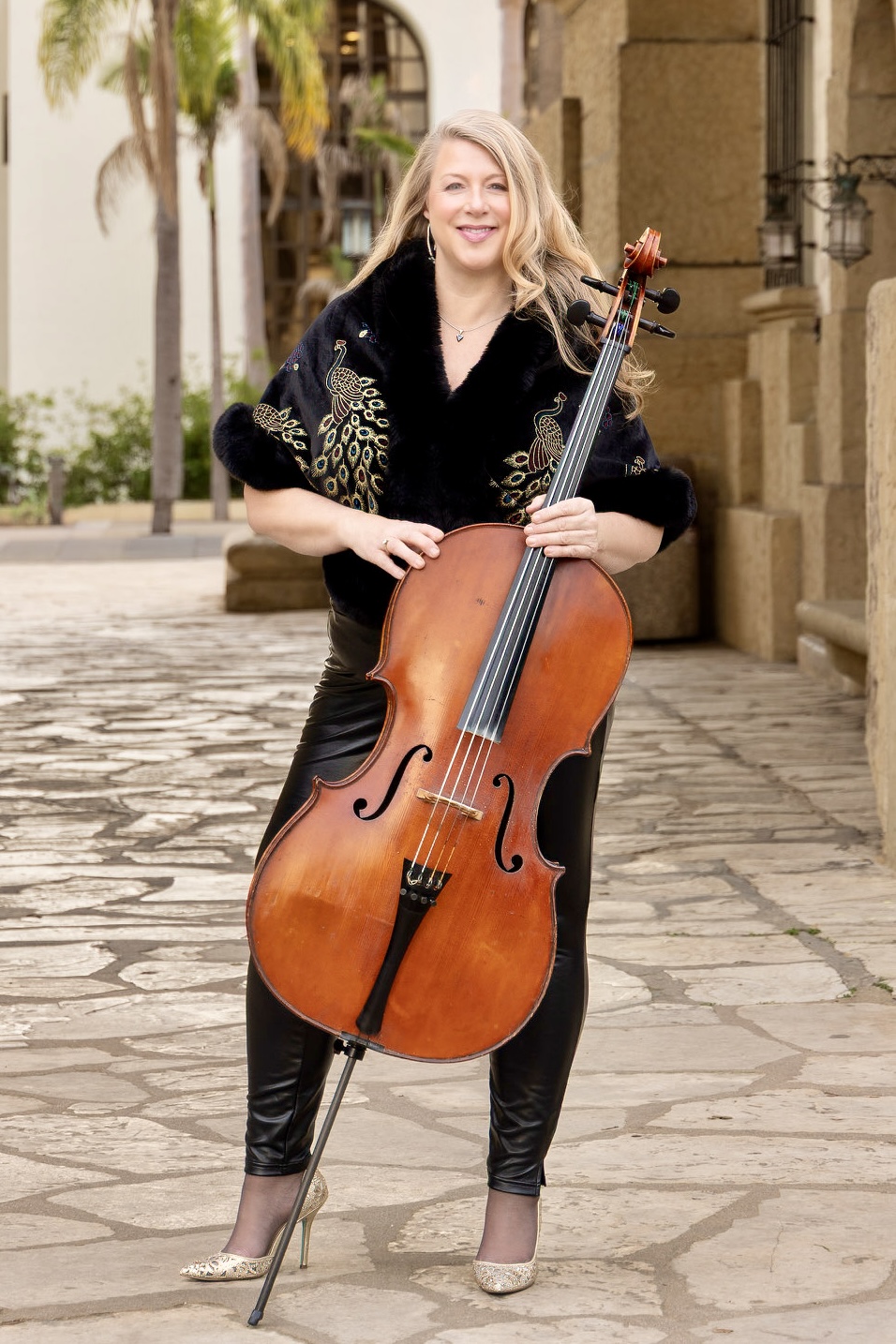
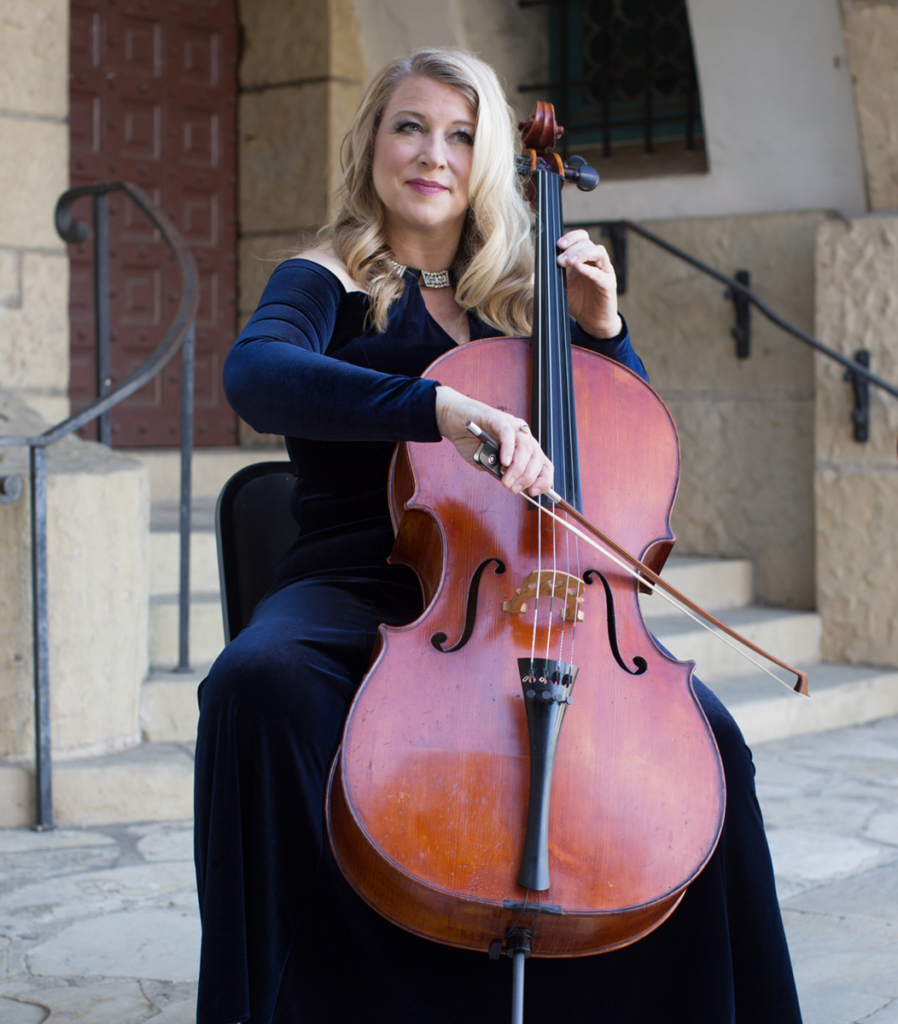
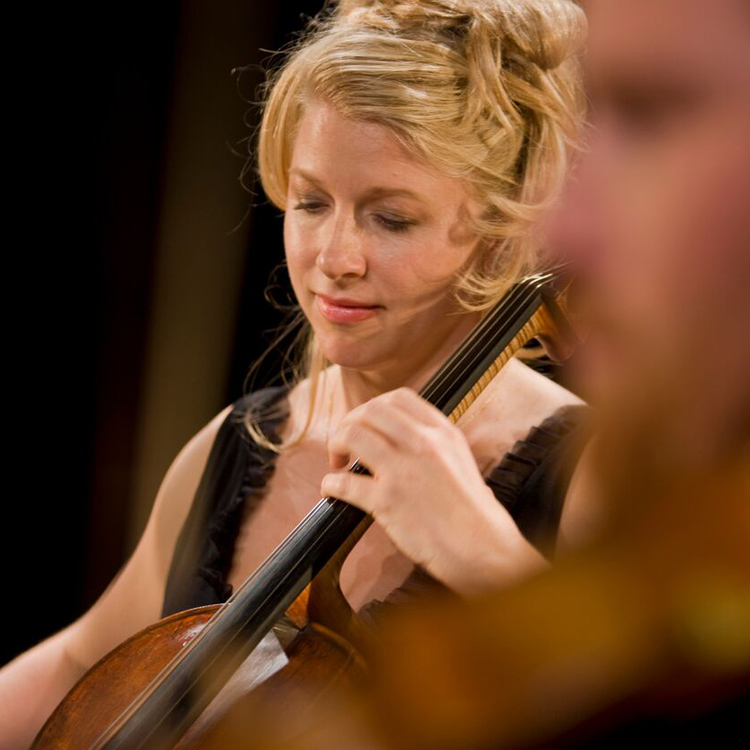
cellist Jennifer Kloetzel
Jennifer Kloetzel, cello

Peter Wilson

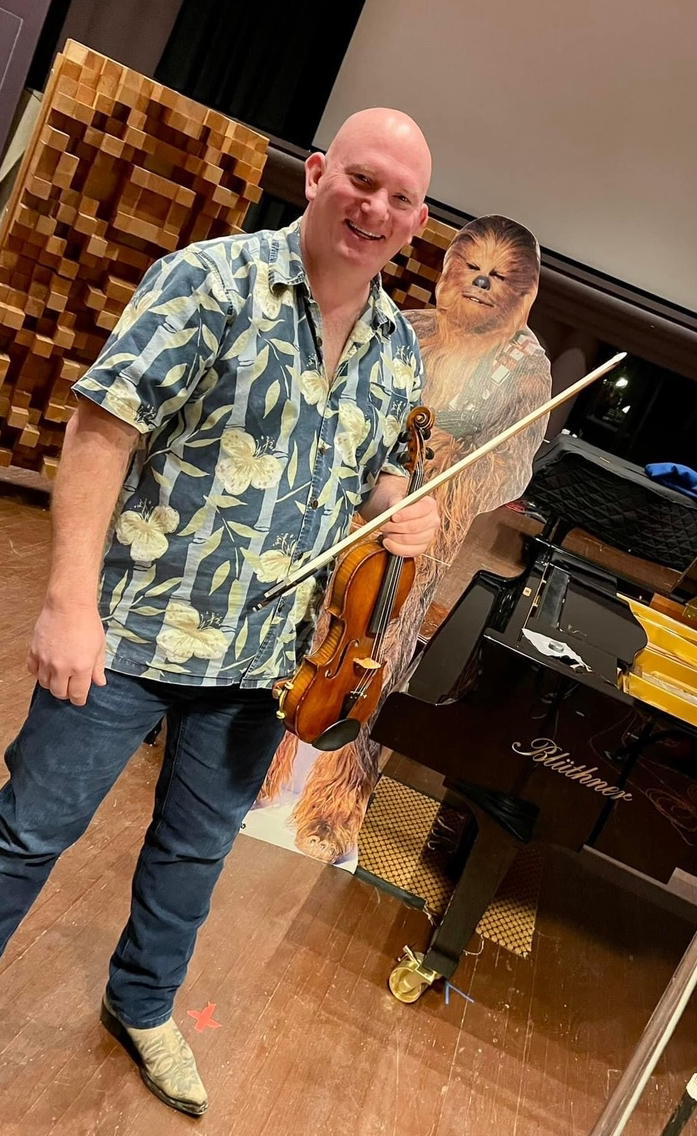
Peter Wilson is an engaging and multifaceted violinist, conductor, arranger, and composer, whose artistry has been noted as “first-class” by The Washington Post. He is the former senior enlisted music advisor to The White House, where he led countless ensembles and performed for 30 years as a Marine violinist in direct support of five Presidents. Peter currently serves as Music Director of the Richmond Philharmonic and The American Prize-winning Waynesboro Symphony Orchestras in Virginia as well as Artistic Director and Conductor of the American Festival Pops Orchestra in the National Capital Region. He began his career as Concertmaster of the Walt Disney World Orchestra, has conducted the National Symphony and National Gallery of Art Orchestras, and holds degrees from Northwestern and Catholic University, where he earned a Doctor of Musical Arts. He has appeared as soloist with legends Rosemary Clooney, Renée Fleming, Bernadette Peters, and Randy Travis and performed the “Theme” from Schindler’s List at The Kennedy Center under the baton of Academy Award-winning film composer John Williams, who hailed Peter as “a brilliant musical artist.” A true music ambassador, Peter has soloed in unique venues around the globe including the American Embassy in Paris, the Presidential Retreat at Camp David, the private chambers of the Vatican before The Pope, and Carnegie Hall. A Cleveland native, he began violin at age two, later moving to Morgantown, West Virginia, where he became the first musician ever to receive the Governor’s Award for Exceptional Achievement in the Arts. Phi Mu Alpha Sinfonia national music fraternity honored Peter with its prestigious “Signature Sinfonian” award for his “outstanding commitment and dedication to the performing arts while serving as a successful role model.” The Strad magazine encapsulated his performances best, stating “[Wilson] made music that had the stamp of quality.”
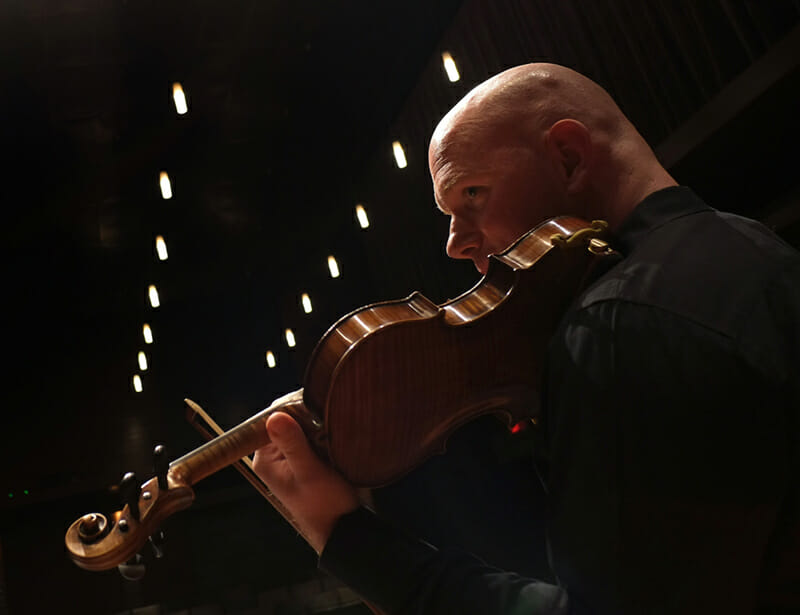
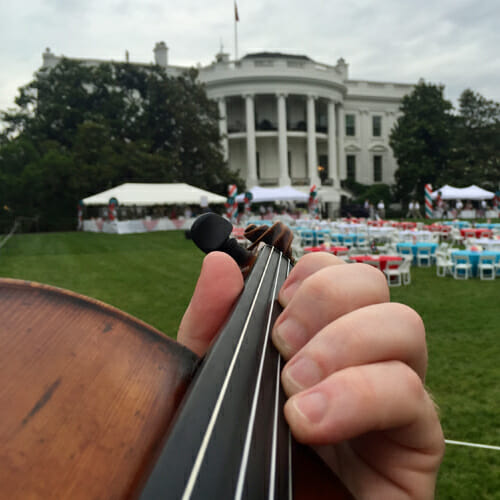
Peter Wilson solo violin
The South Lawn of the White House

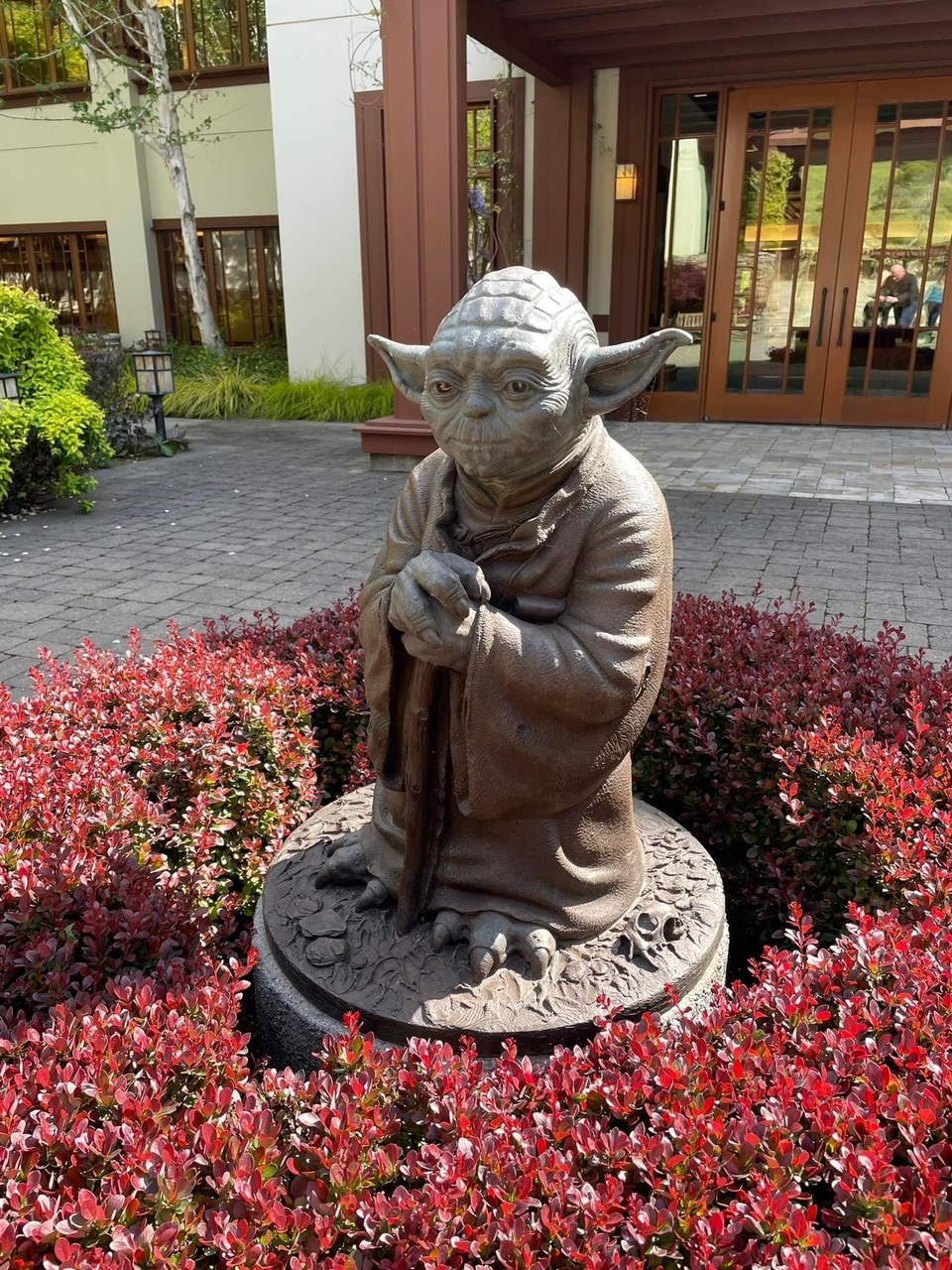
THE FORCE IS WITH THEM